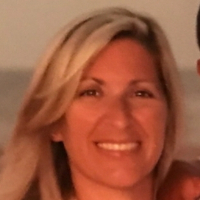
Sheet 1
- Motivational approach
- Strength-based practice
- Trauma informed care
About Rachel
LCSW-C in Maryland with 25 years of experience, Rachel Babiskin focuses on stress, anxiety, depression, family and parenting concerns, ADHD, addictions, relationship issues, trauma and abuse, grief, eating and anger problems, self-esteem, bipolar disorder, coping with life changes, and coaching. She uses a client-centered, motivational stance and emphasizes working collaboratively with each person. Rachel draws on strength-based and trauma-informed ideas to help people build skills and make practical changes.
Rachel frames sessions around clear, achievable steps. She listens for what matters most and then suggests skills to practice between meetings. She aims to offer guidance and gentle challenge when it will help people move forward. Her work emphasizes relationship and trust as the foundation for making change.
Her background includes a Bachelor’s degree in Family Studies from the University of Maryland and a Master’s degree in Social Work from the University of Maryland. The LCSW-C credential is held in Maryland. Over 25 years she has worked in schools, hospitals, and private practice settings, and with young adults who have mental illness or co-occurring disorders.
In sessions she typically helps people with everyday coping skills, organization and executive functioning strategies, and ways to manage mood and anxiety. She also supports people processing trauma and grief, addressing addictive behaviors, and improving relationship interactions. Rachel frames therapy as collaborative work focused on practical skills.
People considering therapy can expect straightforward conversation, specific skill suggestions, and follow-up between sessions when needed. If a particular method could help, she introduces it and checks how it fits the client’s goals. Prospective clients should confirm current session formats before booking.
Sheet 2
Using evidence-based techniques in remote care
Rachel describes her work as client-centered and motivational, grounded in strength-based and trauma-informed ideas. A client-centered approach focuses on listening and reflecting so people can clarify goals and feel heard; it helps with anxiety, depression, and relationship concerns. Motivational techniques help people identify their own reasons for change and build small steps toward those goals, which is useful for addiction, behavior change, and improving daily routines.Deciding on a particular method is collaborative. She will discuss options, explain what each approach involves, and adapt recommendations to the client’s goals and preferences. The aim is to match practical techniques to what the person wants to accomplish and to review progress together.
Confirm current session options before booking, as formats are not specified here. Online work can make it easier to fit sessions into a busy schedule, shorten travel time, and allow brief check-ins when a full in-person appointment is difficult. It can also let people try a first session from wherever they are and then decide how to continue. Licensed professionals typically use these arrangements to keep therapy consistent with daily life.
Sheet 3
Areas of expertise
Primary focus
Also works with
Experience
25+ years
Listed in
Maryland
Languages
English
Sheet 4
Frequently asked questions
What concerns does she address?
She works with stress, anxiety, depression, ADHD, addictions, relationship and parenting concerns, trauma and abuse, grief, eating and anger issues, bipolar disorder, self-esteem, and coping with life changes.
What is her therapeutic style?
She uses a client-centered, motivational approach with strength-based and trauma-informed principles. Sessions focus on collaboration, practical skills, and occasional gentle challenge.
How much experience does she have?
She has 25 years of clinical experience working in settings such as schools, hospitals, and private practice.
What are her credentials and where is she based?
She holds the LCSW-C credential in Maryland and practices from that state.
Which languages are used in sessions?
Sessions are offered in English.
Can international clients work with her?
She does not accept international clients at this time.
How are sessions arranged and paid for?
Cost varies with location and sessions use a subscription that can be canceled at any time.
How do I begin working with her?
Use the See online therapy options button, complete a short matching questionnaire, and schedule a first session.
Online talk therapy is not emergency care. If you are in danger, use the urgent help numbers.