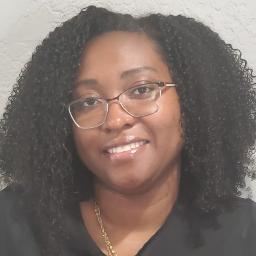
Sheet 1
- Trauma-focused care
- Cognitive Behavioral Therapy
- Grief and loss support
About Phyllis
LCSW in Florida with nine years of clinical experience, Phyllis Jeannestal helps people facing stress, anxiety, depression, trauma and parenting concerns. She works with individuals coping with grief, relationship and intimacy issues, anger, self-esteem struggles, workplace strain, and mood challenges including bipolar disorder. Sessions are conducted in English and she does not take international clients.
Phyllis uses Client-Centered Therapy alongside Cognitive Behavioral Therapy and Solution-Focused strategies. She describes her trauma work as trauma-focused and trauma-informed, emphasizing choice, collaboration, and trust. In practice she helps people identify strengths and build concrete skills they can use between sessions.
Her background includes community crisis work and grief support. She has supported survivors of the Parkland school shooting and has experience developing treatment plans that incorporated exercise, art therapy, and support groups. More recently she has worked in hospice supporting families through grief and loss.
Sessions tend to focus on practical steps and problem solving as well as processing difficult memories when needed. Clients can expect conversations that surface stressful patterns, practical behavior change plans, and short-term strategies for coping. She also uses coaching techniques for career and life-transition goals.
Phyllis continues to center client choice in treatment. She encourages people to try approaches and give feedback so therapy matches their needs. To begin, she asks people to identify priorities and together they set small, measurable goals.
Sheet 2
Therapeutic approaches and remote work
Phyllis commonly uses Client-Centered Therapy and Cognitive Behavioral Therapy in her work. Client-Centered Therapy focuses on the person's priorities and perspective, letting them guide the pace and topics of sessions. Cognitive Behavioral Therapy looks at the links between thoughts, feelings, and actions and builds practical skills to change unhelpful patterns.Choosing the best approach is part of the work. She collaborates with clients to identify goals, try approaches, and adjust plans based on what helps. That means therapy can shift between processing difficult memories and practicing concrete coping skills depending on needs and progress.
The biography does not list specific session formats, so confirm available options before booking. Online sessions can make it easier to fit meetings into a busy week, shorten check-in visits, or avoid travel time. Licensed professionals often use video or phone options to keep continuity of care; discuss which format fits your schedule and comfort when you set up the first appointment.
Sheet 3
Areas of expertise
Primary focus
Also works with
Additional focus areas
Therapeutic approaches
Experience
9+ years
Listed in
Florida
Languages
English
Sheet 4
Frequently asked questions
What concerns does she address?
She works with stress, anxiety, depression, trauma and abuse, grief, parenting and relationship concerns, anger, self-esteem, workplace issues, and mood conditions including bipolar disorder.
What therapeutic approaches does she use?
Her work draws on Client-Centered Therapy, Cognitive Behavioral Therapy (CBT), Solution-Focused Therapy, and trauma-focused methods. She blends these to meet specific goals and needs.
How much experience does she have?
She has nine years of clinical experience working in community settings, crisis response, and hospice care.
What are her credentials and where is she based?
She is a Licensed Clinical Social Worker (LCSW) licensed in Florida and practices from that state.
Which languages are supported?
Sessions are offered in English.
Can she work with clients outside the United States?
She does not accept international clients at this time.
What session formats are offered?
The original biography does not list specific session formats. Please confirm current session options before booking.
How are fees and scheduling handled?
Cost varies with location and sessions use a subscription that can be canceled at any time. To start, use the See online therapy options button, complete a short matching questionnaire, and schedule a first session.
Online talk therapy is not emergency care. If you are in danger, use the urgent help numbers.