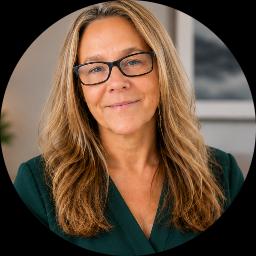
Sheet 1
- Addictions
- Life changes
- Social anxiety
About Nancy
Licensed Mental Health Counselor (LMHC) in Florida with six years of experience, Nancy Higgins helps people facing addictions and coping with life changes. She also focuses on forgiveness, guilt and shame, isolation and loneliness, life purpose, and social anxiety and phobia. Nancy works with adults who want practical, straightforward support as they change patterns or manage tough emotions.
Nancy favors a person-centered approach that keeps conversations direct and focused. She uses evidence-based therapeutic techniques to address trauma and recovery concerns and adjusts methods to match each person’s goals. Sessions are conversational rather than didactic, with emphasis on real dialogue and practical steps.
Many people Nancy sees are navigating early recovery or moving through major life transitions. She helps people talk through feelings of shame or isolation, clarify values, and build manageable routines. Work often includes identifying unhelpful patterns and practicing concrete alternatives.
Nancy will discuss options for trauma-focused work and other evidence-based strategies during the first sessions. That discussion helps decide which methods best fit the person’s needs. She aims to balance emotional processing with actionable tools people can use between meetings.
People who prefer a direct, respectful style and straightforward feedback often find this approach useful. Sessions are structured around the person’s present concerns and next steps, with room to revisit goals as progress is made.
Sheet 2
Therapeutic approaches and how online work fits
Two evidence-based approaches commonly used in trauma and recovery work are described here in plain terms. Trauma-informed care focuses on recognizing how past distress affects current feelings and behavior. It helps people spot triggers and build safer responses in daily life. EMDR is an approach that often combines attention to upsetting memories with guided processing; it can help reduce the intensity of memories and related distress for some people.Choosing the right approach is part of the work. Nancy will review options with each person and decide together which methods match current needs, goals, and preferences. That collaborative planning helps keep the work practical and focused on next steps.
Session formats are not specified in the biography, so confirm available options before booking. Online sessions can make it easier to fit meetings into a busy week, reduce travel time, and allow check-ins during workday breaks. Different formats can also lower technical demands or shorten a check-in when that suits the person’s schedule.
Sheet 3
Areas of expertise
Primary focus
Additional focus areas
Experience
6+ years
Listed in
Florida
Languages
English
Sheet 4
Frequently asked questions
What concerns does she support?
She works with addictions and people coping with life changes. Additional focus areas include forgiveness, guilt and shame, isolation and loneliness, life purpose, and social anxiety and phobia.
How would you describe her therapeutic style?
Her style is person-centered and direct. Conversations focus on practical steps and open dialogue rather than lectures.
How much clinical experience does she have?
She has six years of experience as a practicing mental health counselor. That experience includes work with people in or leaving addiction treatment settings.
What credential and location does she hold?
She is a Licensed Mental Health Counselor, LMHC, licensed in Florida. Practice location is listed as Florida.
Which languages are supported?
Sessions are offered in English.
Can international clients work with her?
She does not accept international clients at this time.
How are sessions paid for?
Cost varies with location. Sessions use a subscription that can be canceled at any time.
What are the steps to begin working with her?
Start by selecting the See online therapy options button, complete a short matching questionnaire, and schedule a first session.
Online talk therapy is not emergency care. If you are in danger, use the urgent help numbers.