Sheet 1
- ACT techniques
- CBT methods
- Attachment focus
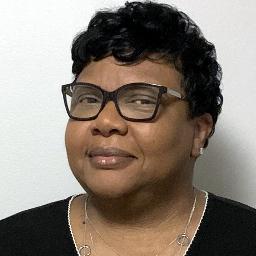
About Melanie
Licensed Professional Counselor (LPC) in Alabama with 23 years of clinical experience, Melanie Walton works with people facing stress, anxiety, addictions, relationship and family concerns, depression, trauma and abuse, grief, intimacy issues, eating concerns, parenting, anger, self-esteem, life changes, compassion fatigue, and ADHD.
Melanie uses direct, interactive sessions. She aims to build rapport and establish a working alliance within the first few weeks. She asks practical questions and sets clear goals with each person she sees.
Her style draws from several evidence-informed methods, including Acceptance and Commitment Therapy (ACT), Attachment-Based Therapy, Client-Centered Therapy, Cognitive Behavioral Therapy (CBT), and Dialectical Behavior Therapy (DBT). She selects techniques based on a person’s strengths, needs, abilities, and preferences rather than a single fixed model.
In sessions she works on concrete skills and changes in thinking alongside discussion about relationships and past experiences. She writes treatment goals and objectives with clients and revisits them as progress is made. Sessions are intended to be interactive rather than solely reflective.
Melanie frames therapy as practical work. She helps people notice patterns, try new behaviors, and track small steps. For someone feeling overwhelmed by life events or struggling with recurring patterns, she offers structured conversations and skill practice to support everyday functioning.
Sheet 2
Therapeutic approaches and how online sessions work
Acceptance and Commitment Therapy (ACT) focuses on noticing thoughts and values, then taking committed steps toward what matters. It can help with anxiety, stress, and getting unstuck from unhelpful thought patterns. Cognitive Behavioral Therapy (CBT) looks at links between thoughts, feelings, and behaviors and teaches practical skills to change unhelpful patterns. It is often used for anxiety, depression, and anger. Attachment-Based Therapy pays attention to relationship patterns that started earlier in life and how they affect current connections and intimacy.Choosing the right approach is part of the work. The therapist will collaborate with each person to try methods and see what fits their goals and preferences. Sessions can shift over time as needs and priorities change.
Session format options are not specified in the biography, so confirm the current session formats before booking. Online sessions can make it easier to fit therapy into a busy week, allow for shorter check-ins when needed, and remove travel time. They also let people use video or audio in ways that suit their comfort and bandwidth. Licensed professionals can often adapt exercises and skill work to remote sessions so progress continues between meetings.
Sheet 3
Areas of expertise
Primary focus
Also works with
Therapeutic approaches
Experience
23+ years
Listed in
Alabama
Languages
English
Sheet 4
Frequently asked questions
What concerns does she address?
She works with stress, anxiety, addictions, relationship and family issues, depression, trauma and abuse, grief, intimacy-related issues, eating concerns, parenting and anger among other topics.
What therapeutic approaches does she use?
She uses Acceptance and Commitment Therapy, Attachment-Based Therapy, Client-Centered Therapy, Cognitive Behavioral Therapy, and Dialectical Behavior Therapy depending on the person's needs.
How much clinical experience does she have?
She has 23 years of experience working in counseling and related clinical roles.
What credential and location are listed?
She is a Licensed Professional Counselor (LPC) practicing in Alabama.
In which languages can sessions be held?
Sessions are offered in English.
Are international clients accepted?
International clients are not currently accepted.
How are sessions paid for?
Cost varies with location and services; sessions use a subscription that can be canceled at any time.
How do I begin working with her?
Use the See online therapy options button, complete the short matching questionnaire, and schedule a first session.
Online talk therapy is not emergency care. If you are in danger, use the urgent help numbers.