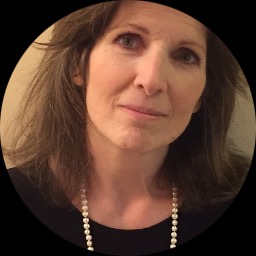
Sheet 1
- CBT methods
- Motivational Interviewing
- Solution-Focused Therapy
About Lynn
Lynn Marrone is a Licensed Clinical Social Worker (LCSW) in New York with 13 years of experience. She helps people with stress, anxiety, addictions, relationship and family concerns, and mood difficulties such as depression and bipolar. She also works with issues around grief, trauma and abuse, self-esteem, parenting strain, and workplace or career stress.
Her approach is practical and goal-oriented. She uses Cognitive Behavioral Therapy (CBT) to identify unhelpful patterns and try new behaviors. Motivational Interviewing is used to build momentum when change feels difficult. Solution-Focused Therapy helps set concrete steps and short-term goals.
Sessions are conversational and focused on what matters now. She encourages people to name goals and to test small changes between meetings. That may mean trying different coping tools, revising daily routines, or addressing substance use in workable steps.
Lynn pays attention to attachment and abandonment concerns alongside more common struggles like OCD symptoms, hoarding, or smoking cessation. She also supports people dealing with intimacy-related issues, eating and sleeping difficulties, and compassion fatigue.
People who choose her often want clear strategies and a practical plan. She blends skill teaching with motivational work and short-term problem solving. To begin, the site’s sign-up process matches people and schedules a first session.
Sheet 2
How her approaches shape online sessions
CBT focuses on identifying thoughts and behaviors that maintain distress and testing small behavior changes. It is often used for anxiety, depression, and sleep or eating difficulties. Motivational Interviewing helps when someone feels stuck about change; it uses guided conversation to strengthen personal reasons for trying something different. Solution-Focused Therapy concentrates on concrete next steps and brief goals to make immediate progress. Finding the right style is a collaborative process. The therapist will work with each person to choose which approaches fit their needs and preferences. That choice can shift over time as goals evolve and new challenges appear. Confirm the available session options before booking, as formats are not specified here. Practical benefits of remote work include fitting appointments into a workday, shorter check-ins when needed, and avoiding travel time. Online sessions can make it easier to continue regular meetings while juggling other responsibilities, and they allow the therapist to use CBT tools, motivational strategies, and solution-focused tasks in the same meeting.Sheet 3
Areas of expertise
Primary focus
Also works with
Additional focus areas
Therapeutic approaches
Experience
13+ years
Listed in
New York
Languages
English
Sheet 4
Frequently asked questions
What issues does she focus on?
She focuses on stress, anxiety, addictions, relationship and family concerns, grief, trauma and abuse, self-esteem, parenting, and mood disorders including depression and bipolar.
How would you describe her therapeutic style?
She uses practical, goal-oriented methods. Sessions combine skill teaching, motivational work, and short-term problem solving.
How much clinical experience does she have?
She has 13 years of professional experience working with a range of concerns from addiction to attachment problems.
What credential does she hold and where does she practice?
She is a Licensed Clinical Social Worker (LCSW) licensed in New York and practices from that state.
Which languages are offered for sessions?
Sessions are offered in English.
Can people outside the U.S. work with her?
International clients are not currently accepted.
How are sessions paid for and what does it cost?
Cost varies with location; sessions use a subscription model that can be canceled at any time.
How do I begin the process to work together?
Start by selecting the See online therapy options button, complete the short matching questionnaire, and schedule a first session.
Online talk therapy is not emergency care. If you are in danger, use the urgent help numbers.