Sheet 1
- Client-Centered Therapy
- Cognitive Behavioral Therapy
- Motivational Interviewing
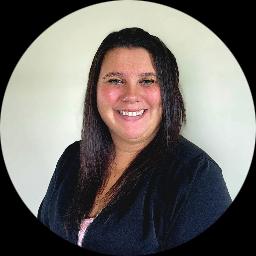
About Lindsey
Lindsey Krauss is a Licensed Professional Counselor (LPC) in Wisconsin with three years of clinical experience. She focuses on stress, anxiety, addictions, trauma and abuse, grief, ADHD, anger, self-esteem, career concerns, bipolar disorder, depression, and coping with life changes. Lindsey also works with disruptive mood dysregulation disorder (DMDD), drug and alcohol addiction, mood disorders, personality disorders, and survivors of sexual assault and abuse.
Lindsey trained at Lakeland University and earned a master’s degree in Community Counseling in 2019. Since then she has worked as a dual diagnosis counselor in medication assisted treatment settings. That work involved supporting people with co-occurring substance use and mental health concerns and learning practical strategies for relapse prevention and stabilization.
Her style is interactive and client-centered. Lindsey listens and asks questions that help people notice patterns in thinking and behavior. She blends Cognitive Behavioral Therapy (CBT) techniques with solution-focused work and Motivational Interviewing to set small, achievable goals.
Dialectical Behavior Therapy (DBT) skills also appear in sessions when emotion regulation and distress tolerance are important. Lindsey uses these skills to teach concrete tools for handling strong emotions and improving day-to-day functioning.
Sessions tend to be practical and focused on what people want to change. Lindsey encourages collaboration about goals and methods. Prospective clients should confirm current session options before booking.
Sheet 2
How Lindsey’s approaches translate to remote care
Lindsey uses Client-Centered Therapy to build conversations around each person’s concerns and goals. That approach emphasizes listening and adjusting the session to what the person brings, which helps when focusing on stress, grief, or relationship effects from trauma.She also uses Cognitive Behavioral Therapy (CBT) to identify unhelpful thought and behavior patterns and to practice new ways of responding. CBT is useful for anxiety, depression, ADHD-related routines, and many mood disorders. Dialectical Behavior Therapy (DBT) skills are used when emotion regulation, distress tolerance, or interpersonal effectiveness are needed; these are taught as actionable skills to use between sessions.
Finding the right approach is part of the work. Lindsey will review a person’s history, current challenges, and goals and then suggest which combination of client-centered listening, CBT, or DBT skills could help. She treats approach selection as a collaborative decision that can be adjusted over time.
The practical benefits of remote work depend on the session formats offered. The biography does not specify session formats, so confirm current options before booking. Remote sessions can still allow focused skill practice, short check-ins, and planning that fit into daily life without requiring long travel. Lindsey aims to help people apply therapeutic tools to everyday routines and follow up on progress between appointments.
Sheet 3
Areas of expertise
Primary focus
Also works with
Additional focus areas
Therapeutic approaches
Experience
3+ years
Listed in
Wisconsin
Languages
English
Sheet 4
Frequently asked questions
What issues does she address?
She focuses on stress, anxiety, addictions, trauma and abuse, grief, ADHD, anger, self-esteem, career concerns, bipolar disorder, depression, and coping with life changes.
What therapy approaches does she use?
Her work combines Client-Centered Therapy with Cognitive Behavioral Therapy, Dialectical Behavior Therapy skills, Motivational Interviewing, and Solution-Focused Therapy.
How much clinical experience does she have?
She has three years of experience, working since 2019 after completing a master’s degree in Community Counseling.
What are her credentials and where is she based?
She is a Licensed Professional Counselor (LPC) licensed in Wisconsin and practices there.
Which languages are supported?
Sessions are offered in English.
Can people outside the U.S. work with her?
She does not accept international clients at this time.
How are sessions paid for?
Cost varies with location and sessions use a subscription that can be canceled at any time.
How do I begin the process?
Use the See online therapy options button, complete the short matching questionnaire, and schedule a first session.
Online talk therapy is not emergency care. If you are in danger, use the urgent help numbers.