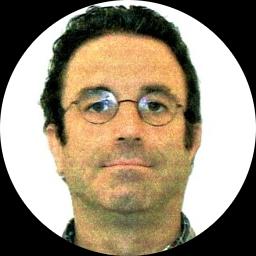
Sheet 1
- Client-centered approach
- CBT and DBT methods
- End-of-life counseling
About Kendall
LCSW Kendall Jones has 25 years of clinical experience in California and works with adults on stress, anxiety, grief, depression, trauma and related concerns. He helps people who are dealing with relationship and intimacy issues, anger, self-esteem challenges, bipolar mood concerns, and the strain that comes with life transitions. Kendall also focuses on LGBT issues, compassion fatigue, sexual assault and abuse, multicultural concerns, polyamory and hospice and end-of-life counseling.
Kendall approaches therapy from a client-centered perspective. He uses Cognitive Behavioral Therapy (CBT) and Dialectical Behavior Therapy (DBT) techniques when they fit what a person needs. He also draws on psychodynamic ideas to understand long-standing patterns and how past experiences shape current feelings.
Sessions tend to emphasize clear, practical conversation. Kendall listens for what matters most to each person and helps identify small, doable changes. He also pays attention to meaning, values, and how relationships affect mood and behavior.
His background includes a wide range of life experience and work with culturally diverse people. That history informs the way he notices cultural factors and different family systems in sessions. Kendall describes his style as accepting and focused on building strengths and hope.
People who choose him can expect straightforward, respectful work aimed at immediate coping skills and longer-term understanding. To begin, clients complete a short matching questionnaire and schedule a first session.
Sheet 2
How Kendall integrates approaches in online work
Kendall commonly uses Client-Centered Therapy and Cognitive Behavioral Therapy online. Client-Centered Therapy focuses on listening, reflecting, and making space for a person's concerns so they feel heard and can explore values and meaning. Cognitive Behavioral Therapy breaks down unhelpful thoughts and behaviors into concrete steps and teaches practical skills for managing anxiety, depression, and stress.Choosing the right approach is collaborative. Kendall will talk with each person about goals, what has helped before, and which methods fit their needs. Together they decide whether to emphasize skill learning, deeper psychodynamic reflection, or a mix of methods.
Confirm the specific session formats before booking since the biography does not list them. Online work can make it easier to fit therapy into a busy week, allow shorter check-ins when needed, and reduce travel time. These practical benefits help people maintain consistent sessions while working on symptom management and longer-term patterns.
Sheet 3
Areas of expertise
Primary focus
Also works with
Additional focus areas
Therapeutic approaches
Experience
25+ years
Listed in
California
Languages
English
Sheet 4
Frequently asked questions
What kinds of concerns does he address?
Kendall works with stress, anxiety, grief, depression, trauma and abuse, relationship and intimacy issues, anger, self-esteem, bipolar concerns, and coping with life changes among other areas.
What therapeutic approaches does he use?
He primarily uses a client-centered approach and applies Cognitive Behavioral Therapy and Dialectical Behavior Therapy techniques, along with psychodynamic ideas when appropriate.
How much clinical experience does he have?
He has 25 years of experience working in clinical settings and with culturally diverse people.
What are his credentials and where is he based?
He holds the credential LCSW and practices in California.
Which languages are sessions offered in?
Sessions are offered in English.
Can international clients work with him?
International clients are not currently accepted.
How does billing and cost work?
Cost varies by location; sessions use a subscription that can be canceled at any time.
How do I start a first session?
Begin by selecting the See online therapy options button, complete a short matching questionnaire, and schedule a first session.
Online talk therapy is not emergency care. If you are in danger, use the urgent help numbers.