Sheet 1
- CBT methods
- Existential focus
- Motivational interviewing
About Katelyn
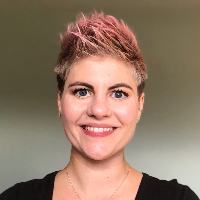
Licensed Professional Counselor (LPC) in Pennsylvania with 13 years of experience, Katelyn Elliott helps people manage stress, anxiety, addictions, trauma and related concerns. She works with issues such as depression, self-esteem, grief, parenting strain, LGBT concerns, bipolar disorder, ADHD, and intimacy-related problems. Sessions emphasize practical coping and making meaning from life events.
Katelyn trained at Indiana University of Pennsylvania and holds a master’s degree earned in 2012. She describes her therapeutic stance as humanistic with a foundation in Existential Therapy. She treats each person as the expert on their life and aims to build a cooperative working relationship to explore what gives life meaning.
In session she uses Cognitive Behavioral Therapy to identify patterns of thinking and behavior that keep problems active. She also draws on Motivational Interviewing strategies to support change when substance use or ambivalence is present. Mindfulness techniques are used to help ground people during stressful moments.
Her practice often focuses on co-occurring concerns such as substance use combined with mood or anxiety problems. She also addresses communication problems, codependency, compassion fatigue, panic attacks, social anxiety, and women’s issues. Katelyn integrates approaches to match what each person brings to therapy.
She prefers a collaborative process that explores personal experience and the meanings people make. The work commonly includes skill-building, reflective conversation, and practical steps for coping with day-to-day demands. People who want to understand their patterns and try concrete strategies may find this approach a fit.
Sheet 2
How Katelyn’s approaches translate to remote work
Katelyn works from a humanistic, existential stance and pairs that with specific techniques to support change. Cognitive Behavioral Therapy focuses on identifying unhelpful thought and behavior patterns and teaching practical skills to reduce symptoms like anxiety or panic. Existential Therapy looks at personal meaning and how someone exists in their life, useful for coping with life changes, identity questions, and feelings of emptiness or purpose. Motivational Interviewing supports people who feel stuck or ambivalent about change, often used when substance use or mixed feelings are present.Figuring out which approach fits best is part of the process. She will work collaboratively to decide whether to emphasize skill-building with CBT, explore meaning with existential methods, or use motivational strategies to support steps toward change. Clients can expect that approach and goals will be reviewed together and adjusted over time.
Confirm current session options before booking so you know which formats are offered. Online sessions can help fit therapy into a busy life by removing travel time, allowing shorter check-ins when needed, and making it easier to schedule around work or caregiving. Licensed professionals often find that combining reflective conversation with practical exercises translates well to remote sessions, while some people prefer sessions structured around specific skill practice or goal-focused steps.
Sheet 3
Areas of expertise
Also works with
Additional focus areas
Therapeutic approaches
Experience
13+ years
Listed in
Pennsylvania
Languages
English
Sheet 4
Frequently asked questions
What concerns does she help with?
She works with stress, anxiety, addictions, trauma and abuse, depression, self-esteem, grief, intimacy-related issues, parenting strain, bipolar disorder, ADHD, and LGBT concerns among others.
What therapeutic approaches does she use?
She uses Cognitive Behavioral Therapy, Existential Therapy, and Motivational Interviewing alongside mindfulness strategies to address thinking patterns, motivation for change, and meaning-making.
How much experience does she have?
She has 13 years of clinical experience and completed a master’s degree at Indiana University of Pennsylvania in 2012.
What credential and location apply to this clinician?
She is a Licensed Professional Counselor (LPC) practicing in Pennsylvania.
Which languages are supported?
Sessions are offered in English only.
Can international clients work with her?
She does not accept international clients at this time.
How are sessions arranged and paid for?
Cost varies with location; sessions use a subscription model that can be canceled at any time.
How do I begin working with her?
Choose the See online therapy options button, complete the short matching questionnaire, and schedule a first session.
Online talk therapy is not emergency care. If you are in danger, use the urgent help numbers.