Sheet 1
- Trauma-focused methods
- Addiction and substance use
- Works in English and Spanish
About Justine
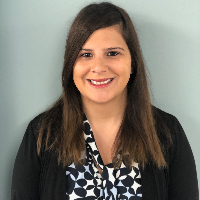
Licensed Clinical Social Worker (LCSW) with six years of experience working in Florida. Justine Alemany helps people who are coping with trauma, addiction, mood disorders, and major life changes. She communicates in English and Spanish and works with individuals facing grief, anxiety, ADHD, and relationship or family stress.
Justine began clinical work as a graduate intern at an elementary school in Boston. She spent a year at an inpatient adolescent unit through UMASS Medical School, working with young people who had long stays for severe mental health needs and histories of trauma. She later returned to Florida and treated adults in outpatient and residential substance use settings, and then joined a Children's Advocacy Center in 2019.
Her caseload has included survivors of sexual abuse and domestic violence, people managing substance use and co-occurring mood disorders, and clients struggling with grief or major life transitions. She also provided counseling and psychoeducation to families while working in inpatient adolescent services.
Justine uses an eclectic mix of methods and emphasizes trauma-focused work when appropriate. She commonly draws on EMDR, Dialectical Behavior Therapy, Cognitive Behavioral Therapy, Motivational Interviewing, and client-centered approaches to build emotion regulation and coping skills. She frames therapy as practical skills and tools that people can use day to day.
Sessions are guided by the needs a person brings and the goals they set together. Her background spans school-based, inpatient, outpatient, residential substance use, and advocacy center settings, which informs how she applies different approaches in therapy.
To begin, readers who want to connect are invited to follow the site's process for matching and scheduling a first session.
Sheet 2
How her approaches translate to online sessions
Client-centered therapy focuses on the person in front of the therapist. It emphasizes listening and reflecting so clients feel heard and can set their own goals. Cognitive Behavioral Therapy (CBT) looks at the links between thoughts, feelings, and behaviors and teaches practical skills for managing anxiety, depression, and mood symptoms. Dialectical Behavior Therapy (DBT) provides concrete tools for emotion regulation, distress tolerance, and improving communication when emotions run high.Figuring out which approach fits best is part of the work. The therapist will talk with the client about their needs, goals, and preferences and then try methods that match those aims. That collaborative planning can include combining skill work with trauma-focused interventions when needed.
The platform's session-format details should be confirmed before booking. Online sessions can make it easier to fit therapy into daily life by reducing travel and allowing shorter check-ins or weekday appointments. They can also support continued work between in-person visits when clients prefer that option.
Sheet 3
Areas of expertise
Primary focus
Also works with
Additional focus areas
Therapeutic approaches
Experience
6+ years
Listed in
Florida
Languages
English, Spanish
Sheet 4
Frequently asked questions
What concerns does she address?
She works with addictions, trauma and abuse, grief, depression, anxiety, bipolar disorder, ADHD, and related issues such as family stress and communication problems.
What is her therapeutic style?
She uses an eclectic, client-centered approach that draws on trauma-focused methods and skills-based therapies to build coping and emotion regulation.
How much clinical experience does she have?
She has six years of clinical experience across school, inpatient adolescent, outpatient, residential substance use, and advocacy center settings.
What are her credentials and where is she based?
She is a Licensed Clinical Social Worker (LCSW) with practice in Florida.
Which languages are supported?
Sessions are offered in English and Spanish.
Can international clients work with her?
She does not accept international clients at this time.
How are sessions paid for and what do they cost?
Cost varies with location; sessions use a subscription that can be canceled at any time.
How do I begin the process?
Use the See online therapy options button, complete a short matching questionnaire, and schedule a first session through the platform.
Online talk therapy is not emergency care. If you are in danger, use the urgent help numbers.