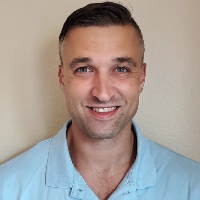
Sheet 1
- CBT and CPT methods
- EMDR for trauma
- Problem-solving therapy
About John
LCSW-C in Maryland with 11 years of experience, John Doleski helps people managing stress, anxiety, addiction, trauma, parenting concerns, depression, relationship and intimacy issues, and other life challenges. He works with individuals facing grief, sleep and eating concerns, anger, self-esteem issues, bipolar disorder, ADHD, and LGBT-related matters.
John draws on evidence-based therapeutic techniques to address practical problems. He uses Cognitive Behavioral Therapy, Cognitive Processing Therapy, Eye Movement Desensitization and Reprocessing, Interpersonal Therapy, and Problem Solving Therapy. Sessions focus on clear steps people can take to reduce symptoms and solve pressing problems.
Before joining private practice John worked nine years with active duty service members from all branches and their families on family advocacy, substance abuse, and psychotherapy. That background informs his work with people experiencing occupational stress, family conflict, domestic violence, and child welfare issues.
In sessions he aims to be straightforward and nonjudgmental. Conversations tend to include skill practice, thinking patterns that keep problems going, and structured approaches to process difficult memories when needed.
People meet to set goals and plan next steps. Progress is reviewed regularly and treatment adjusts to what is working. To start, prospective clients complete a short questionnaire and schedule an initial session.
Sheet 2
How evidence-based approaches work in remote sessions
Evidence-based techniques he uses include Cognitive Behavioral Therapy, which looks at unhelpful thought patterns and teaches skills to change reactions and behavior. CBT helps with anxiety, depression, sleep problems, and day-to-day stressors.Cognitive Processing Therapy targets the way traumatic events are processed. It guides people to reframe stuck beliefs that develop after trauma and can reduce symptoms that follow distressing experiences.
Eye Movement Desensitization and Reprocessing is an approach used to process traumatic memories more adaptively. It involves structured sessions where distressing memories are addressed alongside tracking or structured bilateral stimulation to reduce their intensity.
Finding the right method is part of the work. The therapist will collaborate with each person to decide which techniques fit their needs, goals, and preferences. Plans are adjusted over time based on progress and what feels useful.
Practical benefits of remote work include easier scheduling and fitting sessions around work or family commitments. Remote sessions can also allow shorter check-ins when needed and avoid travel time. The original biography does not specify which session formats are available, so confirm current options before booking to make sure the format fits your routine.
Sheet 3
Areas of expertise
Primary focus
Also works with
Experience
11+ years
Listed in
Maryland
Languages
English
Sheet 4
Frequently asked questions
What concerns does he address?
He supports people with stress, anxiety, addictions, trauma and abuse, parenting, depression, LGBT issues, relationships, family conflict, grief, intimacy concerns, eating and sleeping problems, anger, self-esteem, career matters, bipolar disorder, coping with life changes, and ADHD.
What is his general therapeutic style?
He uses evidence-based techniques and a direct, practical approach. Sessions focus on skills, thinking patterns, and concrete steps to manage problems.
How many years has he been practicing?
He has 11 years of experience, including nine years working with active duty service members and their families in areas like family advocacy and substance abuse.
What are his credentials and where is he based?
He is an LCSW-C licensed in Maryland and practices from that state.
Which languages are supported?
Sessions are offered in English.
Can people outside the United States work with him?
International clients are not currently accepted.
What session formats are offered?
The original biography does not list specific session formats. Confirm current session options before booking.
How are fees and getting started handled?
Cost varies with location and services use a subscription that can be canceled at any time. To begin, select the See online therapy options button, complete a short matching questionnaire, and schedule a first session.
Online talk therapy is not emergency care. If you are in danger, use the urgent help numbers.