Sheet 1
- Addictions support
- Solution-Focused Therapy
- Grief and loss
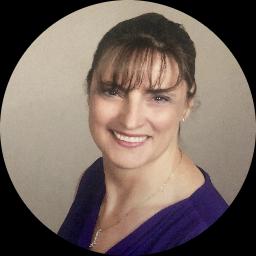
About Jaynie
Licensed Professional Counselor (LPC, LPC-MHSP) in Tennessee with 17 years of experience, Jaynie Moore helps people facing addictions, relationship challenges, grief, and major life changes. She also works with concerns such as stress, anxiety, depression, self-esteem, career questions, intimacy-related issues, and family matters. Sessions are conducted in English and the practice does not take international clients.
Jaynie uses Solution-Focused Therapy to keep conversations practical and goal-oriented. She concentrates on what clients want to change and on steps they can try between sessions. That approach is often a fit for people coping with specific problems, transitions, or decisions who want concrete next steps.
Her background includes long-term clinical practice in Tennessee supporting adults through addiction and recovery-related issues and helping people manage caregiving, aging, and end-of-life concerns. She also addresses codependency, divorce and separation, family of origin issues, and women's health questions.
In sessions she listens for clear goals and helps craft brief plans clients can test in daily life. Conversations typically focus on solutions, small experiments, and tracking progress. Jaynie frames the work as collaborative problem-solving rather than long exploratory psychotherapy.
To begin, a person is asked to use the site matching questionnaire and schedule a first session. Fees vary by location and the practice uses a cancellable subscription model for ongoing sessions. Confirm current session options before booking.
Sheet 2
How Solution-Focused Work Translates to Online Sessions
Solution-Focused Therapy focuses on small, achievable steps and on what a person wants to change. Sessions emphasize setting clear goals, identifying past successes, and testing brief strategies between meetings. This approach is useful for issues like stress, coping with life changes, relationship concerns, and addiction-related goals.Working out which approach fits best is part of the first conversations. The therapist will collaborate with the client to decide whether solution-focused methods suit the problem and will adjust goals and techniques based on progress and preferences.
The biography does not list specific session formats, so confirm the current options before booking. Many people choose online work because it makes scheduling easier, short check-ins can fit during a break, and some formats need less bandwidth or no camera. These practical benefits help therapy fit into daily life while the therapist and client focus on concrete steps and measurable progress.
Sheet 3
Areas of expertise
Primary focus
Also works with
Additional focus areas
Therapeutic approaches
Experience
17+ years
Listed in
Tennessee
Languages
English
Sheet 4
Frequently asked questions
What concerns does she address?
She works with addictions, relationship issues, grief, life changes, stress, anxiety, depression, self-esteem, career questions, intimacy-related issues, and family concerns.
What approach does she use in sessions?
Solution-Focused Therapy is the primary approach. It emphasizes practical goals, small steps, and applying techniques between appointments.
How much clinical experience is there?
Jaynie has 17 years of professional experience working in Tennessee settings with adults on addiction and related concerns.
What are her credentials and location?
She is an LPC and LPC-MHSP licensed in Tennessee and practices in that state.
Which languages are offered and are international clients accepted?
Sessions are offered in English. International clients are not currently accepted.
What session formats are available?
The biography does not list specific session formats. Confirm current session options before booking.
How are fees handled?
Cost varies with location and sessions are provided through a subscription that can be canceled at any time.
How do I begin working together?
Select the See online therapy options button, complete the short matching questionnaire, and schedule a first session.
Online talk therapy is not emergency care. If you are in danger, use the urgent help numbers.