Sheet 1
- ACT and CBT methods
- DBT informed work
- Attachment-focused care
About Gregory
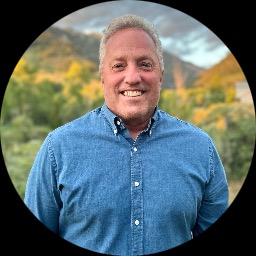
Gregory "Greg" Dunford is an LCMHC (Licensed Clinical Mental Health Counselor) in Utah with 28 years of counseling experience. He focuses on stress, anxiety, relationship and intimacy-related issues, depression, and coping with life changes. He uses a mix of practical, research-informed methods to help people handle everyday struggles and relationship challenges.
Greg draws from Acceptance and Commitment Therapy, Cognitive Behavioral Therapy, Dialectical Behavior Therapy, Attachment-Based Therapy, and client-centered work. He emphasizes concrete tools and practices that people can use between sessions. Conversations cover communication, commitment concerns, boundaries, and emotional regulation in simple, direct terms.
His background includes long experience running addiction groups, teaching, and leading residential programs for adolescents. Those roles shaped his approach to behavioral change and skill-building. He also has experience supporting people through grief and family mental health challenges based on personal and professional experience.
In sessions he often focuses on specific problems such as codependency, abandonment issues, control and impulsivity, body image, and forgiveness work. He also addresses practical matters like separation, divorce, and parenting strains from an individual perspective. Sessions aim to identify patterns and practice different ways of responding.
Greg frames therapy as collaborative problem-solving. He helps clients notice attachment patterns and build skills for communication, distress tolerance, and values-based action. People who want straightforward, skills-focused work around relationships and life transitions may find his approach useful.
Sheet 2
How approaches translate to remote sessions
Acceptance and Commitment Therapy (ACT) helps people clarify what matters to them and practice small actions that reflect those values. It is useful for anxiety, depression, and navigating life changes by focusing on what clients want to stand for in daily life.Cognitive Behavioral Therapy (CBT) looks at the links between thoughts, feelings, and behaviors and teaches practical skills to change unhelpful patterns. It is often used for anxiety, mood concerns, and for improving coping strategies.
Attachment-Based Therapy focuses on relationship patterns and how early bonds shape current ways of relating. It helps people notice attachment-driven reactions and try different ways of connecting and communicating.
Choosing an approach happens together. The therapist will ask about current struggles, goals, and what techniques feel workable. Sessions often blend methods so clients can try skills, notice what helps, and adjust the plan collaboratively.
Confirm the exact session formats before booking since formats were not specified in the biography. Online work can make it easier to fit sessions into a busy week, reduce travel time, and use shorter check-ins when schedules demand. Many people find that remote sessions let them keep consistent practice between meetings while focusing on concrete skills for relationships, emotion regulation, and daily stressors.
Sheet 3
Areas of expertise
Primary focus
Additional focus areas
Therapeutic approaches
Experience
28+ years
Listed in
Utah
Languages
English
Sheet 4
Frequently asked questions
What kinds of problems does he address?
He works with stress, anxiety, relationship and intimacy issues, depression, and coping with life changes. He also focuses on concerns like abandonment, codependency, body image, and impulsivity.
What is his therapeutic style?
He uses practical, research-informed methods and focuses on concrete tools clients can practice between sessions. Therapy mixes ACT, CBT, DBT, attachment-based ideas, and client-centered conversation.
How long has he practiced?
He has 28 years of counseling experience, including work leading addiction groups and running residential programs for adolescents and young people.
What are his credentials and where is he located?
He is an LCMHC (Licensed Clinical Mental Health Counselor) in Utah. He practices from Utah and lists that state as his professional location.
Which languages are sessions offered in?
Sessions are offered in English.
Does he work with international clients?
He does not accept international clients at this time.
How are sessions priced?
Cost varies with location and sessions use a subscription model that can be canceled at any time.
How do I begin a first session?
Select the See online therapy options button, complete the short matching questionnaire, and schedule a first session through the booking flow.
Online talk therapy is not emergency care. If you are in danger, use the urgent help numbers.