Sheet 1
- Attachment-Based Therapy
- Client-Centered work
- Cognitive Behavioral Therapy
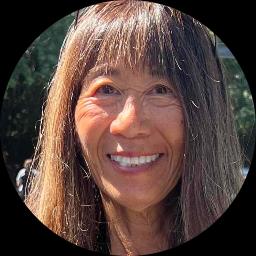
About Diane
LMFT in California with 23 years of experience, Diane Kato focuses on stress, anxiety, relationship and family concerns, trauma and abuse, and self-esteem. She uses attachment-based, client-centered, cognitive behavioral, dialectical behavior, and Jungian approaches in her practice. Diane speaks English and practices in California.
Diane frames therapy around a person-centered relationship. She listens first, then offers practical strategies that fit a person's life. Sessions may include talking through patterns, practicing new skills, and reflecting on personal meaning.
She often addresses attachment and relationship issues by looking at how past bonds shape current behavior. Cognitive Behavioral Therapy is used to identify unhelpful thoughts and testing new ways of coping. Dialectical Behavior Therapy skills are brought in when managing strong emotions or impulsivity.
Diane also draws on Jungian ideas to explore symbols, dreams, and deeper personal themes when that helps a person make sense of their experience. Her approach stays flexible; she shifts methods to match the concern at hand.
Practical matters are part of the work. She helps people who are struggling with caregiver stress, communication problems, divorce and separation, grief and end-of-life concerns, multicultural and discrimination-related stress, and issues like guilt, shame, or abandonment. The first steps are simple: complete a short questionnaire, then schedule a first session to see how the approach fits.
Sheet 2
Therapeutic approaches and remote sessions
Attachment-Based Therapy looks at how early relationships influence current patterns. It can help people notice how attachment needs and fears shape reactions in close relationships. Cognitive Behavioral Therapy (CBT) focuses on identifying unhelpful thoughts and testing new behaviors. CBT is useful for managing anxiety, stress, and changing repetitive thinking that keeps problems going. Finding the right approach is part of the work. Diane will collaborate with the person to decide which methods fit their goals and preferences. That means adjusting techniques over time and checking in about what helps. Session logistics should be confirmed before booking because formats are not specified in the biography. Ask which remote options are offered and how sessions are scheduled. Online work can make it easier to fit therapy into a busy week, allow shorter check-ins when needed, and remove travel time. It also lets people join from a quieter place or choose voice-only if video is difficult. Confirm the exact session formats and practical details during sign-up so sessions match daily life.Sheet 3
Areas of expertise
Primary focus
Additional focus areas
Therapeutic approaches
Experience
23+ years
Listed in
California
Languages
English
Sheet 4
Frequently asked questions
What concerns does she address?
She works with stress, anxiety, relationship and family concerns, trauma and abuse, and self-esteem. Additional focuses include abandonment, caregiver stress, communication issues, grief, and multicultural concerns.
What is her therapeutic style?
She uses a person-centered approach and adapts methods to each person's needs. Techniques include attachment-based work, CBT, DBT skills, and Jungian reflection.
How much experience does she have?
Diane has 23 years of professional experience. That timeframe reflects a range of clinical work in her practice.
What are her credentials and location?
She is a licensed marriage and family therapist (LMFT) in California. Her practice is based in California.
Which languages are supported?
Sessions are offered in English.
Does she work with international clients?
International clients are not currently accepted.
How are fees handled?
Cost varies with location and sessions use a subscription that can be canceled at any time. Specific pricing details should be confirmed during sign-up.
How do I begin the process?
Start by selecting the See online therapy options button, completing a short matching questionnaire, and scheduling a first session. That sequence begins the intake and planning.
Online talk therapy is not emergency care. If you are in danger, use the urgent help numbers.