Sheet 1
- Addiction recovery support
- Client-Centered Therapy)
- Motivational Interviewing
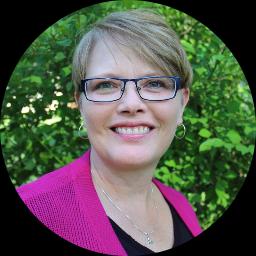
About Darla
LSCSW, LCSW licensed in Kansas and Missouri with 22 years of clinical experience, Darla Belflower focuses on addiction, women's mental health, and LGBTQ+ concerns. She works with people facing stress, anxiety, depression, grief, relationship strain, and career or life-change challenges. Darla emphasizes clear, practical steps during sessions and centers the client's perspective in deciding what to try next.
She uses Client-Centered Therapy to listen for each person's priorities and build practical goals together. Cognitive Behavioral Therapy (CBT) is used to identify unhelpful thinking and test small behavior changes. Motivational Interviewing helps when someone is uncertain about change, and Mindfulness Therapy offers skills for settling intense emotions.
Darla draws on personal experience in long-term recovery to inform her work with substance use and addiction concerns. She helps people talk through coping strategies, manage cravings, and plan steps toward whatever recovery means for them. She also addresses caregiver stress, compassion fatigue, and issues that come with end-of-life care.
Sessions cover sexuality, gender dysphoria, polyamory and non-monogamous relationships, HIV/AIDS concerns, and women's issues. She works on communication problems, forgiveness, guilt and shame, and finding life purpose. Treatment plans combine short-term problem solving and longer-term skill building when that fits the client's goals.
Darla practices in Missouri and offers services in English. Her credentials are KS LSCSW and MO LCSW. People who want to begin are asked to use the site's matching process to schedule a first session.
Sheet 2
How her approaches are used in remote sessions
Client-Centered Therapy focuses on listening and reflecting to clarify what matters most to the client. In practice this means the therapist asks about priorities, checks understanding, and helps set concrete goals. Cognitive Behavioral Therapy looks at how thoughts and actions interact; sessions include tracking patterns, trying short experiments, and building practical coping skills.Choosing the right approach is part of the work together. The therapist will discuss goals, preferences, and what has or hasn't helped in the past, then recommend steps to try. That plan can be adjusted as sessions progress to match what feels useful to the client.
Session formats are not listed in the biography, so confirm current options before booking. Online sessions can make it easier to fit therapy into a busy schedule, reduce travel time, and allow shorter check-ins when needed. They also permit using mindfulness exercises, behavioral experiments, and motivational conversations in real time, which helps apply new skills between sessions.
Sheet 3
Areas of expertise
Also works with
Additional focus areas
Therapeutic approaches
Experience
22+ years
Listed in
Missouri, Kansas
Languages
English
Sheet 4
Frequently asked questions
What issues does she address?
She works with stress, anxiety, depression, addiction, grief, relationship and career concerns, and caregiver or hospice-related stress.
What therapeutic approaches are used?
Sessions use Client-Centered Therapy, Cognitive Behavioral Therapy, Mindfulness Therapy, and Motivational Interviewing depending on the need.
How much clinical experience does she have?
She has 22 years of clinical experience working with people on addiction, women's mental health, and LGBTQ+ concerns.
What are her credentials and where does she practice?
She holds KS LSCSW and MO LCSW credentials and practices in Missouri and Kansas.
Which languages are supported?
Sessions are offered in English.
Can I work with her from another country?
International clients are not currently accepted; services are provided within the stated US jurisdictions.
How are costs handled?
Cost varies with location and sessions use a subscription model that can be canceled at any time.
How do I begin a first session?
Select the See online therapy options button, complete a brief matching questionnaire, and schedule your first session.
Online talk therapy is not emergency care. If you are in danger, use the urgent help numbers.