Sheet 1
- Grief and loss
- Life purpose work
- Post-traumatic stress
About Connie
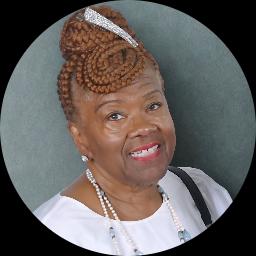
LCSW in Illinois with 40 years of clinical experience, Connie Harris Senter focuses on stress, anxiety, trauma and abuse, grief, depression, and coping with life changes. She also concentrates on forgiveness, life purpose, and post-traumatic stress. Connie works with individuals who want clear, practical help for major life shifts and difficult emotions.
Connie draws on decades of practice to help people name what feels wrong and choose manageable next steps. Sessions are conversational and goal-directed. She listens for patterns from past experiences that keep problems alive and helps people try different responses in everyday life.
When trauma or abuse is part of the story, Connie treats the aftermath with attention to safety and pacing. For grief and loss she focuses on grief tasks and practical ways to carry on, not on telling people how to feel. For questions of life purpose and forgiveness she helps clients sort values and make decisions that match those values.
Her style is steady and straightforward. She offers perspective drawn from long experience and encourages small experiments between sessions. Time is used to clarify what matters now and what concrete steps can reduce distress.
People who prefer a therapist with long clinical experience and a focus on practical change often choose her. She conducts sessions in English and works from Illinois. Prospective clients should confirm session formats before booking.
Sheet 2
How Connie uses evidence-based methods in remote work
Connie draws on evidence-based therapeutic techniques to address trauma, grief, and life transitions. For trauma and post-traumatic stress she focuses on pacing, symptom management, and helping clients develop steady coping skills. This approach breaks larger problems into manageable steps and aims to reduce distress in daily life.For grief and depression she uses practical strategies to restore routines, manage strong emotions, and identify meaningful activities that fit a person’s values. These steps make it easier to move forward without erasing the reality of loss.
Finding the right approach is part of the process. Connie works collaboratively to determine which techniques fit a client's goals and preferences. She reviews options, checks how methods are working, and adjusts plans as needed so the work stays relevant.
Confirm current session formats before booking, since the biography does not list specific online options. Online sessions can make it easier to fit therapy into a busy week, reduce travel time, and allow shorter check-ins when needed. Discussing format and logistics is part of the first appointment so sessions match daily life and practical constraints.
Sheet 3
Areas of expertise
Additional focus areas
Experience
40+ years
Listed in
Illinois
Languages
English
Sheet 4
Frequently asked questions
What concerns does she address?
Focus areas include stress, anxiety, trauma and abuse, grief, depression, and coping with life changes. Additional work centers on forgiveness, life purpose, and post-traumatic stress.
How would you describe her therapeutic style?
She uses a conversational, goal-directed style that looks for practical steps clients can try between sessions. Sessions emphasize making small behavior changes and clarifying next actions.
How much clinical experience does this therapist have?
She has 40 years of experience working with individuals through major life transitions and complex emotional issues.
What are her credentials and location?
She is an LCSW licensed in Illinois and practices from that state.
Which languages are supported for sessions?
Sessions are offered in English.
Can people outside the United States work with her?
She does not accept international clients at this time.
How much do sessions cost?
Cost varies with location; sessions use a subscription that can be canceled at any time.
How do I begin working with her?
Select the See online therapy options button, complete the short matching questionnaire, and schedule a first session.
Online talk therapy is not emergency care. If you are in danger, use the urgent help numbers.