Sheet 1
- ACT
- CBT
- EMDR
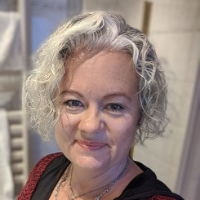
About Cindee
LCSW in California with 11 years of experience, Cindee Oswald focuses on stress, anxiety, addiction, trauma and related concerns. She works with people facing depression, bipolar disorder, relationship and family strain, grief, parenting challenges, and issues like hoarding and compassion fatigue. Sessions use approaches such as Acceptance and Commitment Therapy, Cognitive Behavioral Therapy, EMDR, client-centered methods, and mindfulness-based work.
Cindee describes her style as person-centered. She invites clients to set their own goals and moves at a pace that feels emotionally safe. She offers direct feedback alongside support and helps people rethink limits they place on themselves so they can change patterns that no longer serve them.
Her background is in social work and clinical practice across a range of settings. Over the past 11 years she has worked with people dealing with trauma, substance use, parenting stress, LGBTQ concerns, sleep and eating difficulties, and career-related strain. That experience informs how she combines practical strategies with reflective work in sessions.
In a typical meeting she helps clients clarify what they want to change, teaches skills to manage symptoms like anxiety and anger, and uses techniques aimed at processing traumatic memories when appropriate. She also addresses behaviors such as hoarding with focused attention on safety and functioning.
Sessions are conducted in English and are based in California. To begin a match, prospective clients use the online matching questionnaire and schedule a first session. The therapist notes that costs vary by location and that sessions run on a subscription model that can be canceled at any time.
Sheet 2
How her methods translate to remote sessions
Acceptance and Commitment Therapy (ACT) helps people notice unhelpful thoughts and choose actions that align with their values. It is often used for anxiety, stress, and life changes. Cognitive Behavioral Therapy (CBT) focuses on identifying patterns of thought and behavior that keep problems going and teaches concrete skills for changing them. Eye Movement Desensitization and Reprocessing (EMDR) aims to reduce the intensity of traumatic memories through structured processing when trauma work is appropriate.Finding the right approach is part of the work. The therapist will discuss goals, preferences, and the challenges a person brings and then recommend approaches or a mix of methods. Clients are invited to give feedback so the plan can be adjusted as needed; this is a collaborative process rather than a one-size-fits-all prescription.
Session formats are not specified in the biography, so confirm current options before booking. In general, remote sessions can make it easier to fit meetings into an everyday schedule, allow shorter check-ins when needed, and reduce the time spent traveling. Online meetings also let therapists use exercises, worksheets, and mindfulness practices together during the session. Ask about exact session formats and times when completing the matching questionnaire before scheduling.
Sheet 3
Areas of expertise
Also works with
Additional focus areas
Therapeutic approaches
Experience
11+ years
Listed in
California
Languages
English
Sheet 4
Frequently asked questions
What concerns does she work with?
Covers stress, anxiety, addictions, trauma and abuse, depression and bipolar, relationship and family issues, grief, eating and sleeping problems, parenting strain, anger, career stress, hoarding, and compassion fatigue.
What therapeutic approaches does she use?
Uses Acceptance and Commitment Therapy, Cognitive Behavioral Therapy, Eye Movement Desensitization and Reprocessing, client-centered methods, mindfulness, and motivational interviewing depending on the client's needs.
How much clinical experience does she have?
She has 11 years of experience as a clinical social worker working with a range of concerns in practice settings.
What are her credentials and where is she based?
She is a Licensed Clinical Social Worker (LCSW) licensed in California and practices from California.
In which language are sessions offered?
Sessions are offered in English.
Can people outside the U.S. work with her?
International clients are not accepted at this time.
How are sessions paid for?
Costs vary with location; sessions use a subscription model that can be canceled at any time.
How do I begin working with her?
Select the See online therapy options button, complete the short matching questionnaire, and schedule a first session.
Online talk therapy is not emergency care. If you are in danger, use the urgent help numbers.