Sheet 1
- Addictions
- Mood disorders
- Self esteem
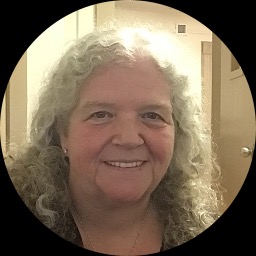
About Bonnie
LCMHC in Vermont with 20 years of professional experience, Bonnie Chase focuses on addictions, trauma and abuse, mood disorders, and self-esteem concerns. She offers direct, practical support and helps people talk through painful experiences and make manageable changes.
Bonnie keeps sessions straightforward. She listens for what matters to each person and helps set clear, short-term goals alongside longer-term plans. Conversations cover patterns that contribute to stress, coping strategies for strong emotions, and steps to improve sleep and daily routines.
Her approach emphasizes collaboration. Bonnie works with clients to identify concrete options when they feel stuck, and she checks in about what is or is not working. Sessions often include skills practice and planning between meetings to build momentum outside of therapy.
People come to Bonnie for many concerns, including anxiety, depression, bipolar disorder, grief, relationship and intimacy issues, parenting strain, career stress, and compassion fatigue. She also supports those dealing with LGBT-related concerns and addiction recovery.
Bonnie notes that starting therapy takes courage and she aims to make the process as clear as possible. For anyone considering work with her, the practical next step is to complete the short matching questionnaire and schedule a first session to talk about goals and options.
Sheet 2
How Bonnie Uses Evidence-Based Techniques in Remote Work
Bonnie describes her practice as grounded in evidence-based therapeutic techniques. One common approach focuses on identifying unhelpful thought and behavior patterns and testing small changes to reduce symptoms of anxiety and depression. This method helps people notice what keeps problems going and try specific, manageable alternatives.A second approach emphasizes coping skills for strong emotions and stress. It includes learning concrete strategies for managing intense feelings, improving sleep routines, and reducing impulsive reactions that can worsen addiction or relationship conflict. These skills are practiced during sessions and applied between meetings to build steady progress.
Choosing the right approach is a collaborative process. Bonnie works with each person to match techniques to their goals, current needs, and daily life. She reviews what works, adjusts plans, and sets achievable steps so clients can see practical change over time.
Confirm the therapist's current session formats before booking because the biography does not list specific options. Many people find remote work helps fit sessions into a busy week, makes check-ins easier during work breaks, and lets them join from quieter surroundings. Discussing scheduling and format during the first session helps ensure meetings fit the person's routine and therapeutic goals.
Sheet 3
Areas of expertise
Primary focus
Also works with
Experience
20+ years
Listed in
Vermont
Languages
English
Sheet 4
Frequently asked questions
What concerns does she address?
She works with people on addictions, trauma and abuse, bipolar disorder, depression, anxiety, and related issues like sleep, grief, and intimacy.
What is her general style in sessions?
She keeps sessions direct and practical, listening for what matters and helping set short-term goals alongside longer plans.
How much clinical experience does she have?
She has 20 years of professional experience practicing as a mental health clinician.
What credential does she hold and where is she based?
She is a Licensed Clinical Mental Health Counselor (LCMHC) licensed in Vermont and practices from that state.
Which languages are offered?
Sessions are offered in English.
What session formats are available?
Please confirm current session options before booking, as formats are not specified in the biography.
How are fees handled?
Cost varies with location and sessions use a subscription model that can be canceled at any time.
How do I begin working with her?
Select the See online therapy options button, complete a short matching questionnaire, and schedule a first session.
Online talk therapy is not emergency care. If you are in danger, use the urgent help numbers.