Sheet 1
- Stress and anxiety
- Addictions and recovery
- Body-oriented work
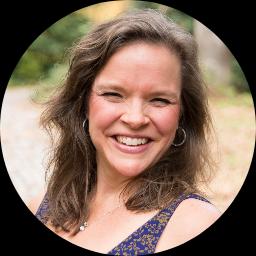
About Anne
LPC (Licensed Professional Counselor) in Georgia with 20 years of clinical experience, Anne Ethier focuses on stress, anxiety, addictions, relationship concerns, trauma and intimacy-related issues. She works with people who are looking to understand patterns that keep repeating and to build more reliable emotional connection in their close relationships.
Anne uses evidence-based therapeutic techniques that combine attention to thoughts and to bodily experience. Sessions emphasize present-moment awareness, noticing how the body holds emotion, and learning practical skills to calm the nervous system and respond differently to triggers. She also addresses issues like attachment, communication problems, codependency, and intimacy-related struggles.
Her background spans two decades in private practice and more than 30 years in health and wellness. That experience shapes a style that moves between talk and somatic noticing, and that attends to how past events continue to influence current behavior. Anne helps people surface the deeper roots of patterns such as addiction, eating and food-related issues, and post-traumatic stress.
For those navigating pregnancy and childbirth, women's issues, or changes in life purpose, she brings focused attention to bodily changes and shifting roles. She also works with problems tied to guilt, shame, forgiveness, control, and family conflict.
Sessions are conducted in English from Georgia. Clients should confirm current session options before booking. To begin, a short matching questionnaire is completed and a first session is scheduled.
Sheet 2
Approaches used in remote sessions and how they help
Anne draws on evidence-based techniques that combine cognitive work with body-oriented approaches. Cognitive work helps identify unhelpful thinking patterns that feed anxiety, guilt, or shame and supports learning new, more effective responses. Body-oriented methods focus on noticing sensations in the body, tracking how emotion shows up physically, and using simple grounding or regulation practices to reduce reactivity.These approaches are used together to understand both the thought patterns and the bodily responses that maintain problems such as addiction, relationship conflict, or post-traumatic stress. Anne treats finding the right mix as a collaborative process. She will work with each person to test approaches, check what feels helpful, and adjust methods based on goals and preferences.
Session logistics should be confirmed before booking since the biography does not list specific formats. In general, remote sessions can make it easier to fit therapy into a busy week, allow shorter check-ins when needed, and reduce travel time. If camera-free or phone-only meetings are preferred, mention this when arranging the first appointment so the therapist can explain current options.
Sheet 3
Areas of expertise
Primary focus
Additional focus areas
Experience
20+ years
Listed in
Georgia
Languages
English
Sheet 4
Frequently asked questions
What concerns does she help with?
She addresses stress, anxiety, addictions, relationship distress, trauma and intimacy-related issues along with related topics such as body image, codependency, and communication problems.
What is her therapeutic style?
She uses evidence-based techniques that blend cognitive work with attention to bodily experience and present-moment awareness.
How long has she practiced?
Anne has 20 years of clinical experience in counseling and more than 30 years working in the health and wellness field.
What credential does she hold and where is she located?
She holds an LPC credential (Licensed Professional Counselor) and practices from Georgia.
Which languages are supported?
Sessions are offered in English.
Can people outside the United States work with her?
International clients are not currently accepted.
How are sessions paid for?
Cost varies with location and sessions use a subscription that can be canceled at any time.
How do I begin a first session?
Start by selecting the See online therapy options button, complete a short matching questionnaire, and schedule a first session.
Online talk therapy is not emergency care. If you are in danger, use the urgent help numbers.