Sheet 1
- Client-centered care
- Goal-focused planning
- Strengths-based tools
About Alisha
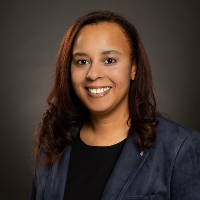
Licensed Professional Clinical Counselor (LPC, LPCC) in Ohio with 11 years of experience, Alisha Dennis-Brinson helps people facing stress, anxiety, depression, relationship concerns, addictions, and life changes. She works with concerns related to trauma and abuse, grief, intimacy issues, sleep and eating difficulties, parenting strain, ADHD, bipolar challenges, and career or self-esteem questions. Sessions are conducted in English.
Alisha uses a client-centered approach that focuses on practical tools. She emphasizes helping people notice their own strengths and build on them. Together she and the person in therapy set clear, client-directed goals and create a plan to reach them.
Her work includes addressing substance use and addiction alongside emotional concerns. She offers support for people navigating major life transitions and for those managing compassion fatigue. She also assists with issues linked to sexual orientation and relationship dynamics.
In sessions she listens and helps clients identify patterns in thoughts, feelings, and behavior. Interventions are chosen to match the person’s goals rather than following a single fixed method. Progress is tracked through the goals people set with her.
Alisha has spent over a decade working with people from varied backgrounds. That experience informs how she adapts practical strategies to different situations. To begin, people complete a short matching questionnaire and schedule a first session that follows their initial preferences.
Sheet 2
How evidence-based methods are used in online sessions
Alisha uses evidence-based therapeutic techniques that focus on practical change. One approach emphasizes helping people notice and change unhelpful thinking and behavior patterns to reduce anxiety and depression. Another concentrates on building coping skills and strategies for managing cravings and relapse when addictions are a concern. These methods are applied in simple, task-oriented ways that connect directly to the goals clients set.Finding the right approach is part of the work together. The therapist and client review needs, goals, and preferences and choose methods that match those priorities. This collaborative process means techniques can be adjusted over time if something isn’t working as hoped.
Session formats are not specified in the biography, so confirm current session options before booking. In general, online sessions can make it easier to fit counseling into a busy life - for example a shorter check-in during a lunch break, or avoiding travel time after work. Working remotely can help maintain continuity of care when schedules or circumstances change.
Sheet 3
Areas of expertise
Primary focus
Also works with
Experience
11+ years
Listed in
Ohio, Oregon, North Carolina, Michigan
Languages
English
Sheet 4
Frequently asked questions
What concerns does she address?
She works with stress, anxiety, depression, addictions, trauma and related issues such as grief, intimacy problems, sleep and eating concerns, parenting strain, and career or self-esteem difficulties.
What is her therapeutic style?
Her style is client-centered and practical. She helps clients identify strengths, set goals, and use concrete tools that fit their needs.
How much clinical experience does she have?
She has 11 years of experience working with people from diverse backgrounds on a range of emotional and behavioral concerns.
What are her credentials and where is she based?
She holds the LPC and LPCC credentials and practises in Ohio.
Which languages are sessions offered in?
Sessions are offered in English.
Can international clients work with her?
International clients are not currently accepted.
How are sessions paid for and what does it cost?
Cost varies by location. Sessions use a subscription that can be canceled at any time.
How do I begin working with her?
Click the See online therapy options button, complete the short matching questionnaire, and schedule your first session.
Online talk therapy is not emergency care. If you are in danger, use the urgent help numbers.