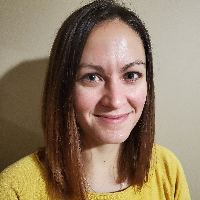
Sheet 1
- Client-Centered Therapy
- Cognitive Behavioral Therapy
- Works with adults
About Whitney
Licensed Professional Counselor (LPC) in Pennsylvania with 14 years of experience, Whitney Thomas focuses on stress, anxiety, trauma and abuse, self-esteem, depression, relationship and family concerns, grief, anger, bipolar disorder, and ADHD. She uses Client-Centered Therapy and Cognitive Behavioral Therapy (CBT) in her practice. Sessions are conducted in English and she does not work with international clients.
Whitney describes her approach as person-centered, which means she starts by listening to each person's experience. She aims to understand what matters to the individual before suggesting ways to cope or change. Practical CBT tools are added when patterns of thinking and behavior are getting in the way of daily life.
Her background includes a Bachelor of Social Science from the University of Pittsburgh and a Master of Science in Community Mental Health Counseling completed in 2014. She earned her professional license as an LPC in 2017 and has worked in psychiatric rehabilitation settings earlier in her career. That work shaped her focus on helping people pursue mental wellness goals.
Whitney has experience working with people in individual and group settings across different clinical environments. She keeps up with yearly continuing education and uses trauma-informed practices learned in training. Those elements inform how she plans sessions and adjusts methods to what a person needs.
To begin, prospective clients use the site matching questionnaire and schedule a first session. Cost varies with location and sessions use a subscription that can be canceled at any time.
Sheet 2
How her methods are used in online sessions
Client-Centered Therapy focuses on listening and understanding a person’s experience first. In practice this means sessions start with the therapist asking about what matters most and reflecting that back so the person feels understood. Cognitive Behavioral Therapy (CBT) looks at thoughts and behaviors that keep problems going and introduces simple exercises and tools to try between sessions; it can help with anxiety, depression, and stress.Choosing the best approach is part of the work together. The therapist will talk with the client about goals, preferences, and what feels useful, then try methods that fit. This is a collaborative process and methods can be adjusted as needs change.
Session formats are not specified in the biography, so confirm current session options before booking. Online sessions can make it easier to fit therapy around work, school, or family commitments. They also allow shorter check-ins when schedules are tight and let people avoid travel time, which can help maintain consistency with appointments.
Sheet 3
Areas of expertise
Therapeutic approaches
Experience
14+ years
Listed in
Pennsylvania
Languages
English
Sheet 4
Frequently asked questions
What concerns does she address?
She works with stress, anxiety, trauma and abuse, self-esteem, depression, coping with life changes, relationship and family concerns, grief, anger, bipolar disorder, and ADHD.
What therapeutic approaches does she use?
She uses Client-Centered Therapy and Cognitive Behavioral Therapy (CBT). These approaches guide how she listens and how she introduces practical skills.
How much experience does she have?
She has 14 years of experience in the mental health field, including work in psychiatric rehabilitation and both individual and group settings.
What are her credentials and where is she located?
She is a Licensed Professional Counselor (LPC) licensed in Pennsylvania.
Which languages are supported?
Sessions are offered in English.
Can she work with clients outside the United States?
She does not accept international clients at this time.
How are sessions paid for and what does it cost?
Cost varies with location. Sessions use a subscription that can be canceled at any time.
How do I begin a first session?
Use the See online therapy options button, complete the short matching questionnaire, and schedule a first session through the site.
Online talk therapy is not emergency care. If you are in danger, use the urgent help numbers.