Sheet 1
- Attachment-Based Therapy
- Psychodynamic Therapy
- Video and telephone
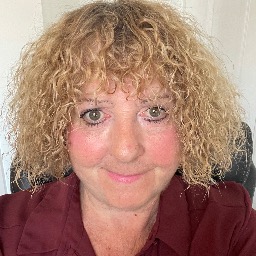
About Valerie
Counsellor (BACP), 19 years' experience. Valerie Baker helps people with trauma and abuse, stress, anxiety, addictions, LGBT concerns, relationship trouble, grief, anger, self-esteem and depression. She also focuses on abandonment, attachment issues, family problems, guilt and shame, sexual assault and abuse, and young adult issues.
Valerie uses Attachment-Based Therapy and Psychodynamic Therapy. In sessions she listens to a person’s story and looks at how early relationships and life events shape current patterns. Conversations aim to make sense of thoughts and feelings, and to spot repeated ways of reacting that cause distress.
Her style is direct and reflective. She offers video and telephone sessions. People are invited to say what they need from counselling and to set practical goals together.
Over nearly two decades she has worked with a range of presenting problems connected to trauma and relationships. She pays attention to how shame, loss and attachment wounds affect day-to-day life. Sessions often involve talking through past events, noticing recurring behaviours, and exploring ways to respond differently.
Valerie describes the work as collaborative. She will discuss approaches and adjust them to what each person brings to the room. For practical steps to begin, a short matching questionnaire is completed and a first session is scheduled through the site.
Sheet 2
How her approaches work in online sessions
Attachment-Based Therapy looks at patterns from early relationships and how they affect present interactions. Online conversations can help people notice attachment needs, recognise repeating responses, and try different ways of relating.Psychodynamic Therapy focuses on unconscious patterns and the stories people repeat. Over time online sessions can make these patterns clearer so someone can choose different responses to stress, grief or relationship issues.
Finding the right approach is part of the work. She will discuss what feels most useful and decide together based on the person’s needs, goals and preferences. That collaborative discussion is an ongoing part of the process rather than a one-time choice.
The biography notes video and telephone sessions. If you want to use online counselling, confirm which formats are currently offered before booking. Online work can make fitting sessions into daily life easier - for example a telephone check-in can be shorter or fit into a lunch break, while video lets people use visual cues during longer sessions. Many people appreciate being able to schedule sessions without travel and to choose a format that suits their routine.
Sheet 3
Areas of expertise
Primary focus
Also works with
Additional focus areas
Therapeutic approaches
Experience
19+ years
Listed in
United Kingdom
Languages
English
Sheet 4
Frequently asked questions
What concerns does she address?
She works with trauma and abuse, stress, anxiety, addictions, LGBT concerns, relationship problems, grief, anger, self-esteem and depression. Additional focus areas include abandonment, attachment issues, family problems, guilt and shame, sexual assault and young adult issues.
How does she approach therapy?
She uses Attachment-Based Therapy and Psychodynamic Therapy. Sessions focus on how past relationships and events shape current feelings and behaviour.
How much experience does she have?
She has 19 years of professional experience working with people on trauma and relationship-related concerns.
What credential and location are listed?
She is listed with the BACP and practises in the United Kingdom.
Which languages are supported?
Sessions are offered in English.
Can people outside the UK work with her?
International clients are not currently accepted.
What session formats does she provide?
The biography states she offers video and telephone sessions; confirm current session options before booking.
How are fees and starting steps handled?
Cost varies with location and sessions use a subscription that can be cancelled at any time. To begin, use the See online therapy options button, complete a short matching questionnaire, and schedule a first session.
Online talk therapy is not emergency care. If you are in danger, use the urgent help numbers.