Sheet 1
- Stress and anxiety
- Addictions and OCD
- Trauma and grief
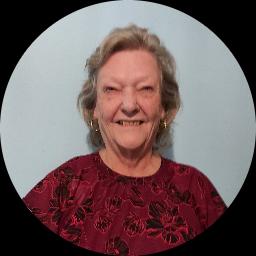
About Susan
Susan Hoffstetter is an LCPC - Licensed Clinical Professional Counselor in Illinois with 16 years of experience. She focuses on stress, anxiety, addictions, trauma and abuse, bipolar disorder, depression, relationships, family concerns, grief, anger, and self-esteem. She also works with people facing obsessions and compulsions, sexual assault and abuse recovery, trichotillomania, and coping after natural or human-caused disasters.
She approaches work by treating the person as the expert on their own life. She looks for strengths a person already has and uses those strengths to address current problems. Sessions are practical and straightforward, aimed at helping people manage symptoms and handle difficult situations.
Her background includes many years of clinical work in Illinois. That experience has given her repeated exposure to crisis-related needs and to longer-term mood and trauma conditions. She draws on evidence-based therapeutic techniques to support recovery and symptom management.
In sessions she listens for what matters most to the client and helps set clear, achievable goals. She supports people as they build skills for coping with stress, managing anxiety, reducing compulsive behaviors, and navigating relationship or grief-related challenges.
To begin, a person completes a short matching questionnaire and schedules an initial appointment. The practice uses a subscription model for fees, which can be canceled at any time. Prospective clients who need confirmation of session formats should check current options before booking.
Sheet 2
How therapeutic approaches shape online work
Evidence-based therapeutic techniques are used to focus sessions on problems that cause the most distress. These techniques mean breaking concerns into manageable parts, practicing specific skills, and tracking progress over time. For example, strategies for anxiety often include gradual exposure and skills to reduce worry, while trauma-focused approaches concentrate on stabilizing symptoms and building coping skills.Finding the best approach is part of the work. The therapist will review symptoms, goals, and preferences with the client and decide together which techniques to try first. That collaborative process may lead to adjusting methods as needs change over time.
Session formats are not specified in the biography, so confirm current options before booking. Online sessions can make it easier to fit therapy into a busy schedule, shorten commute time, and allow check-ins that are brief when needed. They can also support continuity of care after a disaster or during periods of heightened stress, helping clients keep momentum while working on goals.
Sheet 3
Areas of expertise
Primary focus
Also works with
Additional focus areas
Experience
16+ years
Listed in
Illinois
Languages
English
Sheet 4
Frequently asked questions
What concerns does she help with?
She works with stress, anxiety, addictions, trauma and abuse, bipolar disorder, depression, relationship and family concerns, grief, anger, and self-esteem. She also focuses on obsessions and compulsions, sexual assault and abuse, and trichotillomania.
What is her therapeutic style?
Her style treats the client as the expert on their story and builds on existing strengths. Sessions are practical and goal-oriented, using evidence-based techniques.
How much clinical experience does she have?
She has 16 years of professional work experience in clinical settings. That experience includes work with mood, trauma, and addiction-related concerns.
What credential and location apply to her practice?
She is an LCPC - Licensed Clinical Professional Counselor licensed in Illinois and practices from that state.
Which languages are supported in sessions?
Sessions are offered in English.
Can people outside the United States work with her?
She does not accept international clients at this time.
How are fees handled?
Cost varies with location and the practice uses a subscription that can be canceled at any time. Exact pricing depends on the service region.
What is the process to get started?
Start by selecting the See online therapy options button, complete a brief matching questionnaire, and schedule a first session. The questionnaire and scheduling steps begin the intake process.
Online talk therapy is not emergency care. If you are in danger, use the urgent help numbers.