Sheet 1
- Stress and anxiety
- Trauma and abuse
- Self esteem work
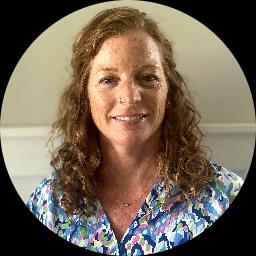
About Shannon
LCSW licensed in North Carolina with four years of clinical experience, Shannon Allen focuses on stress, anxiety, family concerns, trauma and abuse, self-esteem, and depression. She works directly with people who are dealing with panic, post-traumatic stress, social anxiety, and problems with communication or attachment. Sessions are conducted in English.
Shannon frames sessions around clear conversation and practical steps. She listens for how anxiety and stress show up day to day, then helps people try manageable changes. She pays attention to patterns of shame, guilt, control, and isolation that can keep problems repeating.
Her approach includes looking at how relationships and attachment shape reactions and behavior. She helps people identify communication habits that cause conflict and practice alternatives. For trauma and panic symptoms she uses focused, evidence-based techniques to reduce distress and increase coping skills.
Shannon also works on questions of life purpose, forgiveness, and rebuilding confidence after hard experiences. She breaks larger goals into small, concrete tasks so progress is visible. Sessions often include time for skill practice and planning between meetings.
People who prefer straightforward, goal-focused conversation may find this approach useful. Before booking, confirm current session formats and scheduling details so they match your needs.
Sheet 2
How evidence-based approaches guide online work
Shannon uses evidence-based therapeutic techniques that focus on symptoms and functioning. One approach helps people learn concrete coping skills for anxiety and panic, such as breath work, grounding, and stepwise exposure to feared situations. These techniques target panic attacks and social anxiety by reducing immediate distress and increasing tolerance for uncomfortable sensations.Another common focus is attachment and communication patterns. This work examines how early relationship experiences shape current reactions and teaches practical communication strategies. The aim is to change interaction habits that fuel conflict, shame, or isolation.
Choosing the right combination of approaches is part of the clinical process. She works collaboratively to identify which techniques fit a person’s goals and preferences, and she adjusts the plan as progress and challenges emerge.
Session formats are not detailed in the biography, so confirm the available options before booking. Online work can make it easier to fit therapy into a busy schedule, shorten travel time, and support brief check-ins between longer sessions. Licensed professionals often use these practical benefits to help therapy fit into everyday life without asking clients to rearrange their routines.
Sheet 3
Areas of expertise
Primary focus
Additional focus areas
Experience
4+ years
Listed in
North Carolina
Languages
English
Sheet 4
Frequently asked questions
What concerns does she address?
She works with stress, anxiety, family issues, trauma and abuse, self-esteem, and depression. Additional focus areas include panic, post-traumatic stress, social anxiety, attachment, and communication problems.
What is her therapeutic style?
She uses clear conversation and practical steps. Sessions often include skill practice and small, achievable tasks between meetings.
How much clinical experience does she have?
She has four years of professional work experience as a licensed clinical social worker.
What credential does she hold and where is she based?
She holds an LCSW and is licensed in North Carolina.
Which languages are supported?
Sessions are offered in English. International clients are not currently accepted.
What session formats are available?
Session formats are not specified in the biography. Please confirm current session options before scheduling.
How are costs handled?
Cost varies with location and sessions use a subscription that can be canceled at any time.
How do I begin working with her?
Start by selecting the See online therapy options button, completing a short matching questionnaire, and scheduling a first session.
Online talk therapy is not emergency care. If you are in danger, use the urgent help numbers.