Sheet 1
- Stress and anxiety
- Grief and loss
- CBT and DBT methods
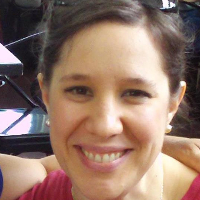
About Sarah
Licensed Clinical Mental Health Counselor (LCMHC) in North Carolina with 15 years of experience. Sarah Stevens helps adults facing stress, anxiety, depression, grief, relationship strain, trauma and abuse, parenting challenges, self-esteem concerns, career questions, and coping with life changes.
Sarah became interested in counseling after her own experience with therapy in the 1990s. She began practicing as a psychotherapist in 2012 and has mainly worked with individual adults and some couples. Her sessions focus on giving clients a calm, objective listener and practical ways to manage difficult feelings.
She uses a mix of approaches that clients commonly find useful, including client-focused therapy, cognitive behavioral techniques, dialectical behavior methods, solution-focused brief therapy, grief work, and couples work. Sarah adjusts how she combines these methods based on each person’s concerns and goals. Sessions center on clear steps people can try between meetings.
Sarah pays attention to how people describe their lives and relationships. She watches for patterns that make stress or conflict worse and helps people practice different ways of responding. She also supports adults who are grieving losses and those navigating major life changes.
Her work emphasizes listening without judgment and helping people discover practical skills they already have. People who have had trouble sharing feelings with friends or family may find the one-on-one meetings helpful for talking things through and trying small changes.
Sheet 2
How evidence-based methods are used in online sessions
Sarah uses a handful of well-known, evidence-based techniques. Cognitive behavioral methods focus on identifying unhelpful thoughts and testing new behaviors to reduce anxiety and depression. Dialectical behavior techniques teach concrete skills for managing intense emotions and improving interpersonal effectiveness. Grief-focused approaches provide structure for naming losses, tracking grieving tasks, and finding day-to-day coping strategies.Choosing the right approach is part of the work. Sarah discusses goals and preferences with each person and adjusts methods over time. This is a collaborative process aimed at finding the mix of tools that fits what the client wants to change.
Session formats are not specified in the original biography, so confirm current session options before booking. In general, remote sessions can make it easier to fit therapy into a busy schedule, shorten travel time, and allow for brief check-ins during a workday or between obligations. Licensed professionals can also adapt exercises and homework so they work in everyday settings rather than relying only on in-person activities.
Sheet 3
Areas of expertise
Primary focus
Also works with
Experience
15+ years
Listed in
North Carolina
Languages
English
Sheet 4
Frequently asked questions
What concerns does she address?
She works with adults on stress, anxiety, depression, grief, relationship and family issues, trauma and abuse, parenting strain, self-esteem, career questions, and coping with life changes.
What is her therapeutic style?
She offers an objective, listening approach and mixes several evidence-based techniques to match each person’s needs.
How much clinical experience does she have?
She has been practicing as a psychotherapist since 2012, which is 15 years of experience.
What are her credentials and location?
She is a Licensed Clinical Mental Health Counselor (LCMHC) licensed in North Carolina and practices from that state.
Which languages are used in sessions?
Sessions are offered in English only.
Can international clients work with her?
International clients are not currently accepted.
How are sessions paid for?
Cost varies with location and sessions use a subscription that can be canceled at any time.
How do I begin working with her?
Use the See online therapy options button, complete a short matching questionnaire, and schedule a first session.
Online talk therapy is not emergency care. If you are in danger, use the urgent help numbers.