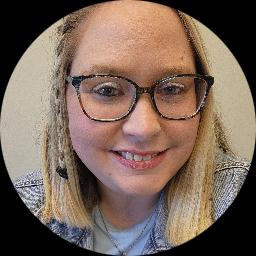
Sheet 1
- Stress and anxiety
- Trauma informed methods
- Young adult focus
About Sarah
Sarah Kucharski is a Licensed Mental Health Counselor (LMHC) in New York with four years of clinical experience. She helps people who are struggling with stress, anxiety, trauma and abuse, low self-esteem, depression, and major life changes. Sessions are conducted in English. She does not accept international clients.
Sarah uses several evidence-based therapeutic techniques to address emotional and behavioral concerns. She draws on approaches like cognitive behavioral tools and trauma-focused work to help people manage symptoms and develop coping skills. She also uses methods aimed at emotional regulation and skill building when impulsivity, mood problems, or self-harm are present.
Her practice includes shorter-term skill-focused work and longer-term exploration depending on the person’s needs. In sessions she will help identify immediate coping strategies, set clear goals, and practice new ways of handling difficult moments. Communication problems, feelings of emptiness, guilt and shame, and control issues are among the topics she addresses in concrete ways.
Sarah has experience working with young adults and adults, and supports people navigating women's issues and family-related concerns as individuals. She emphasizes collaborative planning so each person knows what the next steps will look like. Cost varies with location and sessions are offered through a subscription that can be canceled at any time.
To begin, select the See online therapy options button, complete the short matching questionnaire, and schedule a first session. Confirm current session formats and scheduling details before booking.
Sheet 2
How evidence-based methods translate to online sessions
Many of the techniques Sarah uses focus on practical skills and short exercises. Cognitive behavioral approaches involve identifying unhelpful thoughts and practicing different behaviors; these help with anxiety, low mood, and problem solving. Trauma-focused techniques center on processing distressing memories and building tolerance for strong emotions; they are used when past trauma affects current functioning.Choosing the right approach is collaborative. Sarah will work with each person to match methods to their goals and day-to-day needs. That conversation typically includes which techniques feel most useful and how often to meet so progress can be tracked.
Confirm the exact session formats before booking, since the biography does not list them explicitly. Online work can make it easier to schedule appointments around work or school, support shorter check-ins when time is limited, and reduce travel time. It also allows practicing skills in real-life settings and bringing direct examples into sessions to work on together.
Sheet 3
Areas of expertise
Additional focus areas
Experience
4+ years
Listed in
New York
Languages
English
Sheet 4
Frequently asked questions
What concerns does she address?
She works with stress, anxiety, trauma and abuse, self-esteem, depression, and coping with life changes, plus related issues like communication problems and isolation.
What is her therapeutic style?
She uses evidence-based therapeutic techniques and an eclectic approach, combining methods to fit a person’s goals and needs in practical ways.
How much clinical experience does she have?
She has four years of professional experience as a Licensed Mental Health Counselor.
What credential and location does she hold?
She is an LMHC licensed in New York and practices from that location.
Which languages are supported?
Sessions are offered in English.
Can I work with her from another country?
She does not accept international clients at this time.
How are sessions paid for and what does it cost?
Cost varies with location and sessions use a subscription model that can be canceled at any time.
How do I get started?
Use the See online therapy options button, fill out the short matching questionnaire, and schedule a first session. Confirm current session formats before booking.
Online talk therapy is not emergency care. If you are in danger, use the urgent help numbers.