Sheet 1
- Stress and anxiety
- Client-Centered Therapy
- Cognitive Behavioral Therapy
About Okechuku
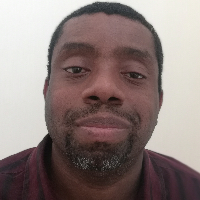
LCSW in California with 10 years of experience, Okechuku Nwanganga helps people address stress, anxiety, relationship and family concerns, grief, depression, trauma and abuse, parenting strains, anger, self-esteem, career questions, bipolar management, and compassion fatigue. He uses Client-Centered Therapy and Cognitive Behavioral Therapy (CBT) as primary approaches. Sessions are conducted in English and Igbo. He asks clients to complete a short matching questionnaire and schedule an initial session through the site.
Okechuku frames therapy around the client’s priorities. He focuses on people’s strengths rather than on labels or diagnoses. He says he will not push anyone to share more than they want, and he asks direct questions to clarify what matters in a situation.
In practice he mixes methods rather than sticking to one theory. That means conversations may include listening for what the client values, then using CBT-style techniques to test unhelpful thoughts and try small behavior changes. He aims to help clients notice patterns and try concrete alternatives.
He describes social work as a calling and sees talking as a tool to change how problems feel in day-to-day life. That can mean working through grief, addressing intimacy-related issues, or building skills to manage mood shifts.
Before a first session clients complete a brief questionnaire to match goals and preferences. The therapist’s stated schedule and session formats were provided in his original notes, so people should confirm current session options before booking.
Sheet 2
How his approaches are used in remote sessions
Client-Centered Therapy centers conversation on what the client says matters. The therapist listens, reflects, and follows the client’s agenda to help clarify feelings and priorities. This approach often helps when people need a space to sort out grief, relationship pain, or role changes.Cognitive Behavioral Therapy (CBT) focuses on identifying unhelpful thoughts and testing small behavior changes. In remote work this can mean keeping simple homework, tracking patterns between sessions, and trying brief experiments to see what changes how someone feels.
Choosing an approach is collaborative. He works with each person to find which mix of listening and practical techniques fits their goals and day-to-day life. Clients and therapist check in about methods and adjust as needed.
The therapist’s original notes mention video and phone as familiar formats, and they state he does not use live chat. Confirm the current session options before booking so you know what will be offered. Online sessions can make it easier to fit meetings into a busy schedule, allow shorter check-ins when needed, and remove the commute to an office while keeping regular therapeutic contact.
Sheet 3
Areas of expertise
Primary focus
Also works with
Therapeutic approaches
Experience
10+ years
Listed in
California
Languages
English, Igbo
Sheet 4
Frequently asked questions
What kinds of concerns does he address?
He supports people with stress, anxiety, relationship issues, grief, depression, trauma and abuse, parenting challenges, anger, self-esteem, career concerns, bipolar, and compassion fatigue.
What is his therapy style?
He emphasizes client priorities and strengths. Conversations combine listening with practical techniques to test thoughts and try behavior changes.
How much experience does he have?
He has ten years of professional experience as a licensed social worker.
What credential and location are listed?
He is a California LCSW and practices from California.
Which languages are available in sessions?
Sessions are offered in English and Igbo. International clients are not currently accepted.
What session formats are used?
The original biography mentions video and phone sessions and says he does not use live chat. Confirm current session options before booking.
How are costs handled?
Cost varies with location and sessions use a subscription that can be canceled at any time.
How do I get started?
Select the See online therapy options button, complete a short matching questionnaire, and schedule a first session.
Online talk therapy is not emergency care. If you are in danger, use the urgent help numbers.