Sheet 1
- Client-Centered Therapy
- Cognitive Behavioral Therapy
- Dialectical Behavior Therapy
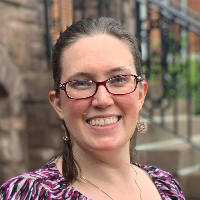
About Rebecca
Licensed Mental Health Counselor (LMHC) in New York with 19 years of experience, Rebecca Wagner focuses on trauma and abuse, parenting concerns, mood and anxiety conditions, and relationship and family difficulties.
Rebecca uses straightforward, skills-based work. She emphasizes a client-centered stance and offers practical tools clients can use between sessions. Sessions often include problem-solving, emotion regulation skills, and strategies for managing stress and impulsivity.
Her background includes long-term clinical work in upstate New York settings. Rebecca has worked with people facing depression, anxiety, self-harm urges, grief, and the effects of sexual assault and other trauma. She also has experience with ADHD, bipolar mood concerns, and panic-related problems.
Rebecca integrates Cognitive Behavioral Therapy (CBT), Dialectical Behavior Therapy (DBT), Motivational Interviewing, and Solution-Focused methods alongside client-centered therapy. This combination supports both short-term coping and longer-term behavior change. She has experience addressing adoption and foster care issues and communication and family problems.
In practice she offers in-the-moment skills teaching and brief check-ins when helpful. She asks people to schedule sessions so timing can fit around her other responsibilities. Sessions are conducted in English and reflect her LMHC credential in New York.
Sheet 2
How her approaches translate to online sessions
Client-Centered Therapy is about listening and following the client's priorities. The therapist centers the client's goals and uses questions and reflections to help people clarify what matters and what to change. Cognitive Behavioral Therapy (CBT) focuses on identifying unhelpful thinking and testing new behaviors. It uses exercises and homework to build different thinking patterns and tackle problems like anxiety, depression, and panic symptoms. Dialectical Behavior Therapy (DBT) teaches emotion regulation, distress tolerance, and interpersonal effectiveness skills. It is useful for managing intense emotions, impulsivity, and self-harm urges.Finding the right approach is part of the work. Rebecca will collaborate with each client to figure out which methods fit their needs, goals, and preferences. She balances short-term problem solving and skills coaching with longer-term behavior change based on what the client wants to achieve.
Confirm current session formats before booking because the biography does not list specific formats. Many licensed professionals use video or phone for frequent check-ins and skills practice; these options can make it easier to fit sessions into workdays, allow shorter check-ins between appointments, or reduce travel time. Discuss scheduling and format preferences when booking so sessions fit into everyday life and goals.
Sheet 3
Areas of expertise
Primary focus
Also works with
Additional focus areas
Therapeutic approaches
Experience
19+ years
Listed in
New York
Languages
English
Sheet 4
Frequently asked questions
What kinds of concerns does she address?
She works with trauma and abuse, depression, anxiety, self-harm urges, grief, parenting and family problems, relationship issues, ADHD, bipolar concerns, and related areas listed in her specialties.
What is her therapeutic style?
Her style is client-centered and skills focused. She combines CBT, DBT, Motivational Interviewing, and Solution-Focused techniques to teach practical strategies and support change.
How much clinical experience does she have?
She has 19 years of experience working in clinical settings in New York.
What credentials and location are listed?
She is a Licensed Mental Health Counselor (LMHC) licensed in New York and practices from New York.
Which languages are supported for sessions?
Sessions are offered in English.
Can people outside the U.S. work with her?
She does not accept international clients at this time.
How are sessions arranged and paid for?
Cost varies by location; sessions use a subscription that can be canceled at any time.
How do I begin working with her?
Start by selecting the See online therapy options button, complete a short matching questionnaire, and schedule a first session.
Online talk therapy is not emergency care. If you are in danger, use the urgent help numbers.