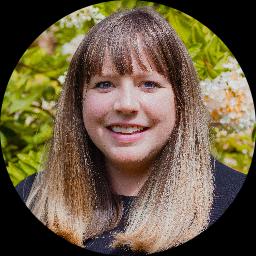
Sheet 1
- Stress and anxiety
- Trauma and abuse
- Self esteem work
About Rachel
LCSW in New York with six years of clinical experience, Rachel Sidebotham works with adults facing stress, anxiety, depression, trauma, and self-esteem struggles. She also supports people managing major life changes and emotional fallout from difficult events.
Rachel helps clients develop more self-compassion and clearer communication skills. She focuses on patterns of control, guilt, and shame that can block people from living as they want. She also addresses fertility concerns, workplace strain, midlife turning points, and issues common to young adults and women.
Sessions center on practical steps and emotional processing. Rachel uses evidence-based therapeutic techniques to help people name what’s happening, feel their emotions, and try small changes between sessions. Conversations aim to reduce overwhelm and restore everyday functioning.
Her style is direct and steady. She works with clients to set short-term goals and refine strategies that fit daily life. Clients leave sessions with clear options to test and adjust.
Rachel’s practice is based in New York and she holds an LCSW credential. She conducts work around trauma recovery, forgiveness, and rebuilding confidence after setbacks. The focus is on helping people regain a sense of direction and manageable control over their lives.
Sheet 2
How Rachel uses evidence-based methods in remote care
Rachel draws on evidence-based therapeutic techniques that help people process strong emotions and change unhelpful patterns. One common approach focuses on processing painful memories and reactions so those memories have less control over daily behavior. This work is useful for people coping with post-traumatic stress, abuse, or repeated upsetting events.Another key approach targets thought and behavior patterns by teaching specific skills to manage anxiety, low mood, and stress. Clients practice small experiments between sessions to test new responses and reduce avoidance. This method helps with worry, low motivation, and improving day-to-day functioning.
Choosing the right approach is collaborative. Rachel will work with each person to identify goals, try techniques, and adjust based on what helps. She treats the first few sessions as a chance to find the best fit rather than committing to a single method upfront.
Session formats are not listed in the biography, so confirm available options before booking. Online sessions can make it easier to fit therapy into a busy week, shorten travel time, and allow shorter check-ins when needed. Licensed professionals often use remote sessions to maintain consistent momentum between appointments and to make scheduling more flexible.
Sheet 3
Areas of expertise
Additional focus areas
Experience
6+ years
Listed in
New York
Languages
English
Sheet 4
Frequently asked questions
What concerns does she address?
She works with stress, anxiety, depression, trauma and self-esteem difficulties, plus life changes and related emotional issues.
How would you describe her therapeutic style?
Her approach is practical and evidence-based. Sessions focus on naming feelings, testing strategies, and improving communication.
How much clinical experience does she have?
She has six years of experience working with adults on a range of concerns including trauma and midlife transitions.
What credential and location apply?
She holds an LCSW credential and practices in New York.
Which languages are supported?
Sessions are offered in English.
Can people from other countries work with her?
She does not accept international clients at this time.
How are sessions paid for?
Cost varies by location and sessions use a subscription that can be canceled at any time.
What are the steps to begin working together?
Choose the See online therapy options button, complete a short matching questionnaire, and schedule your first session.
Online talk therapy is not emergency care. If you are in danger, use the urgent help numbers.