Sheet 1
- Trauma and abuse
- Grief and loss
- Self esteem work
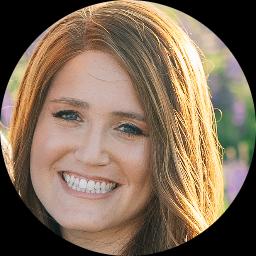
About Rachel
LCSW (Licensed Clinical Social Worker) in New York with nine years of practice experience, Rachel Schwartz focuses on trauma and abuse, grief, self-esteem, coping with life changes, and compassion fatigue. She also addresses workplace issues, communication problems, control issues, guilt and shame, life purpose, post-traumatic stress, and self-love. Rachel speaks English and Hebrew and practices from a clinical social work perspective.
Rachel meets people who are dealing with loss, lingering effects of trauma, or low self-regard. She uses straightforward conversation to help people name what feels difficult and to notice patterns that get in the way. Sessions are practical and paced to what each person can handle.
Her work often centers on helping someone rebuild confidence after painful events. She helps people sort through grief and make decisions during transitions. When work causes stress or burnout, she talks through boundaries, workload, and coping strategies.
Rachel pays attention to how thoughts, feelings, and behaviors link together. She helps people identify unhelpful patterns and try small changes to test what works. Her style is collaborative - she and the client set goals and check progress.
To begin, a person completes the platform matching questionnaire and schedules a first session. Costs vary by location and sessions use a subscription that can be canceled at any time. International clients are not currently accepted.
Sheet 2
How therapeutic methods translate to remote sessions
Rachel works with evidence-based therapeutic techniques that focus on linking thoughts, feelings, and behaviors. One approach helps people identify and test small behavioral changes to see what reduces distress or increases confidence. This method is useful for issues like low self-esteem, workplace stress, and patterns that maintain anxiety or avoidance.Another approach highlights processing difficult experiences step by step so the memory or emotion becomes more manageable. This can help people coping with trauma, grief, and post-traumatic stress by breaking down overwhelming memories into smaller pieces to address over time.
Figuring out which approach fits best is part of the work. The therapist will collaborate with the client to decide on methods that match the person’s goals, needs, and pace, and she will adjust strategies as progress is reviewed.
Session options are not specified in the biography, so confirm current session formats before booking. Many people find remote sessions helpful for fitting therapy into a busy schedule, shortening a commute, or making it easier to attend a regular check-in. Therapists and licensed professionals can often adapt exercises and homework to remote sessions so progress continues between meetings.
Sheet 3
Areas of expertise
Additional focus areas
Experience
9+ years
Listed in
New York
Languages
English, Hebrew
Sheet 4
Frequently asked questions
What concerns does she address?
She works with trauma and abuse, grief, low self-esteem, coping with life changes, and compassion fatigue. Additional focus areas include workplace issues, communication problems, control issues, guilt and shame, life purpose, post-traumatic stress, and self-love.
What is her therapeutic approach and style?
She uses a practical, conversational approach that links thoughts, feelings, and behaviors. Work is collaborative and goal-oriented with small changes tested over time.
How much experience does she have?
She has nine years of professional experience as a clinician.
What credential and location does she hold?
She is a Licensed Clinical Social Worker (LCSW) licensed in New York and practices there.
Which languages are supported?
Sessions are offered in English and Hebrew.
Can international clients work with her?
International clients are not currently accepted.
How are sessions billed?
Cost varies with location and sessions use a subscription model that can be canceled at any time.
How do I start a first session?
Select the See online therapy options button, complete a short matching questionnaire, and schedule a first session.
Online talk therapy is not emergency care. If you are in danger, use the urgent help numbers.