Sheet 1
- stress and anxiety
- relationship challenges
- practical strategies
About Paul
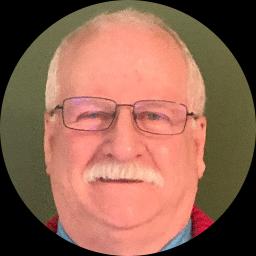
LCSW Paul Brown has 40 years of experience in human services and clinical work in Wisconsin. He helps people with stress, anxiety, depression, relationship concerns, self-esteem, and coping with life changes. Paul presents as a generalist who focuses on practical help rather than a single specialty.
Paul spent his career providing direct services and supervising multiple programs and staff. He holds a bachelor’s and a master’s degree in Clinical Psychology and practices as an LCSW. He describes himself as someone who listens and helps people find workable steps forward rather than telling them what to do.
In sessions he balances listening with problem-solving. He helps people address communication problems, divorce and separation, and family of origin issues. He also works with men facing fatherhood questions, forgiveness work, money and financial worries, and mood disorders.
Paul tends to use evidence-based therapeutic techniques alongside straightforward conversation. He aims to help clients reduce anxiety, manage depressive symptoms, repair communication patterns, and build clearer goals for life purpose. He will ask practical questions and suggest small changes to try between sessions.
People who prefer clear, experience-based guidance and practical steps may find his style fits their needs. He expects clients to be the experts on their lives and to collaborate on solutions. For next steps, follow the site process to review online therapy options and schedule an initial meeting.
Sheet 2
How evidence-based techniques are used in online sessions
Paul describes his approach as using evidence-based therapeutic techniques alongside practical conversation. Cognitive approaches focus on identifying unhelpful thinking and testing small behavior changes; these methods can help with anxiety, low mood, and stress management. Problem-solving techniques break down difficult situations into steps and practical actions, which is useful for financial stress, divorce transitions, and daily coping.Finding the right approach is part of the work. He will collaborate with clients to decide which techniques fit their needs and goals. That means trying methods, checking what helps, and adjusting the plan together rather than committing to one method up front.
The site shows online therapy options you can review before booking. Confirm the session formats offered when you sign up so you know whether video, phone, or other options are available. Online work can make it easier to fit sessions into a busy life, shorten travel time, allow quicker check-ins, and support continuity when schedules change.
Sheet 3
Areas of expertise
Primary focus
Additional focus areas
Experience
40+ years
Listed in
Wisconsin
Languages
English
Sheet 4
Frequently asked questions
What concerns does he work with?
He works with stress, anxiety, depression, relationship and self-esteem concerns. Additional focus areas include communication problems, divorce and family of origin issues.
What is his therapeutic style?
He practices as a generalist who listens and uses practical, evidence-based techniques. The emphasis is on collaboration and finding steps clients can try between sessions.
How much experience does he have?
Paul has 40 years of experience in human services and clinical work, including direct client services and program supervision.
What are his credentials and where is he based?
He is an LCSW based in Wisconsin. The credential listed is LCSW and the state provided is Wisconsin.
Which languages are supported?
Sessions are offered in English.
Can international clients work with him?
He does not accept international clients at this time.
How does payment work?
Cost varies with location and sessions use a subscription that can be canceled at any time. Specific fees depend on your location.
How do I get started?
Use the See online therapy options button, complete the short matching questionnaire, and schedule a first session through the site.
Online talk therapy is not emergency care. If you are in danger, use the urgent help numbers.