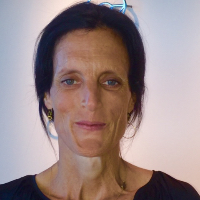
Sheet 1
- Client-Centered Therapy
- Mindfulness methods
- Trauma-Focused care
About Mary
LICSW Dr. Mary Schacht has 12 years of clinical experience and offers individual therapy for adults in Washington. She focuses on stress, anxiety, trauma and abuse, depression, grief, parenting concerns, relationship and family questions, and related issues such as compassion fatigue, career stress, bipolar disorder, and ADHD. Sessions address the effects of disasters, first responder stress, immigration-related challenges, and post-traumatic stress when relevant.
Dr. Schacht works from a client-centered stance and uses approaches that match each person’s needs. She draws on mindfulness, solution-focused techniques, and trauma-focused methods alongside broader clinical theories. Her starting point is the client’s goals and real-life circumstances.
She notes how social, cultural, and political factors shape a person’s experience and brings that context into sessions. That means talking about how community, family history, work, or migration affect mood and coping. Education about stress and trauma responses is offered when useful.
In practice she helps people identify strengths and practical steps to manage symptoms and daily demands. Sessions can include short-term problem solving or longer work on patterns that keep recurring. The pace and focus are set together, based on the client’s needs and preferences.
Her background includes community mental health work and international outreach, including projects in western Kenya focused on youth and conflict analysis. Those experiences inform how she attends to cultural and contextual influences in clinical work.
Sheet 2
How her main approaches work for remote sessions
Client-centered therapy focuses on the client’s goals and lived experience. The therapist follows the client’s lead, reflects what’s said, and helps people clarify priorities and next steps. This approach suits concerns like stress, relationship questions, and life changes.Mindfulness therapy introduces simple practices to notice thoughts, bodily reactions, and emotions. These techniques can reduce reactivity and support coping with anxiety, grief, and compassion fatigue. Mindfulness exercises are often brief and can be used between sessions.
Finding the right approach is part of the work together. The therapist will talk through options and try methods that align with the client’s needs, goals, and preferences. Sessions are collaborative and can shift as needs change.
Confirm current session formats before booking since the biography does not list specific delivery methods. Online sessions can make it easier to fit therapy into a busy week, require less travel time, and allow shorter check-ins when needed. Licensed professionals often use remote work to maintain continuity after a major life change or when local services are limited.
Sheet 3
Areas of expertise
Also works with
Additional focus areas
Therapeutic approaches
Experience
12+ years
Listed in
Washington
Languages
English
Sheet 4
Frequently asked questions
What concerns does she address?
She works with stress, anxiety, trauma and abuse, depression, grief, parenting and relationship issues, and related concerns such as bipolar disorder and ADHD.
Which therapeutic approaches are used?
Her practice uses client-centered therapy, mindfulness, solution-focused techniques, and trauma-focused strategies depending on the client’s needs.
How much clinical experience does she have?
She has 12 years of clinical experience in community mental health and international work.
What are her credentials and where is she based?
She is a LICSW and practices in Washington.
What languages are sessions offered in?
Sessions are offered in English.
Can people outside the United States work with her?
She does not accept international clients at this time.
How are sessions scheduled and what formats are available?
Confirm current session options before booking as the biography does not list specific formats.
How are fees handled?
Cost varies with location; sessions use a subscription that can be canceled at any time.
Online talk therapy is not emergency care. If you are in danger, use the urgent help numbers.