Sheet 1
- Client-Centered Therapy
- Cognitive Behavioral Therapy
- Infidelity and process addiction
About Larry
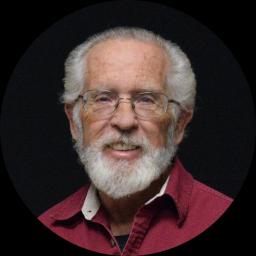
LPC Dr. Larry Andrews has 35 years of experience and practices in South Dakota. He focuses on relationship and family concerns, grief, intimacy-related problems, stress and anxiety, addictions and eating issues, parenting and anger, self-esteem and career concerns, and mood conditions such as bipolar disorder and depression. He also works with people facing infidelity and process addictions like porn, exercise, and gambling.
Dr. Andrews uses Client-Centered Therapy and Cognitive Behavioral Therapy (CBT). He prioritizes straightforward conversation and practical steps. Sessions aim to clarify what is most troubling, try small changes, and notice what helps.
In sessions he listens for how everyday thoughts and behaviors affect mood and relationships. CBT tools may be used to test beliefs and shift patterns that keep problems going. The client-centered stance means the person’s perspective guides what is worked on and when.
His background spans decades of work in clinical settings across South Dakota. Over time he has focused on common life stresses and relationship conflicts as well as addictive patterns. That experience informs a pragmatic approach to talk therapy and behavior change.
People who reach out can expect direct discussion about current struggles, concrete coping ideas, and agreed next steps. To get started he asks people to complete a short matching questionnaire and schedule a first session through the site’s booking flow.
Sheet 2
How Client-Centered and CBT Methods Translate to Online Work
Client-Centered Therapy focuses on the person's own priorities and descriptions of their problems. In practice this means the therapist listens carefully, reflects what is said, and lets the client's goals guide the pace and topics. This approach helps when people need a space to sort through relationship conflicts, grief, or everyday stress.Cognitive Behavioral Therapy (CBT) targets the links between thoughts, actions, and emotions. Online CBT sessions often include identifying unhelpful thoughts, trying behavior experiments, and reviewing results. This method is commonly used for anxiety, depression, and patterns related to addictions and anger.
Finding the right approach is collaborative. The therapist will talk with each person about their concerns, goals, and preferences, then recommend which methods to try first. Plans are adjusted based on what the person reports and what proves useful in short trials.
The biography does not list specific session formats, so confirm the available options before booking. Many people choose online sessions because they can fit appointments into a workday break, avoid travel time, or pick a shorter check-in when needed. Discussing scheduling and practical needs during the first meeting helps match sessions to everyday life.
Sheet 3
Areas of expertise
Primary focus
Also works with
Additional focus areas
Therapeutic approaches
Experience
35+ years
Listed in
South Dakota
Languages
English
Sheet 4
Frequently asked questions
What concerns does he help with?
He works with relationship and family concerns, grief, intimacy issues, life changes, stress, anxiety, addictions, eating issues, parenting, anger, self-esteem, career problems, bipolar disorder, and depression. He also focuses on infidelity and process addictions such as porn, exercise, and gambling.
What therapeutic style does he use?
He practices Client-Centered Therapy and Cognitive Behavioral Therapy (CBT). Sessions combine listening to the client's experience with practical CBT techniques to test thoughts and change behavior.
How long has he been practicing?
He has 35 years of professional experience. That time includes clinical work in South Dakota settings focused on relationships and addictive behaviors.
What are his credentials and where is he based?
He is an LPC - Licensed Professional Counselor - practicing in South Dakota. His work is provided from that state.
Which languages are supported?
Sessions are offered in English. International clients are not accepted at this time.
What session formats are offered?
The original biography does not specify session formats. Please confirm current session options before booking.
How does payment work?
Cost varies with location and sessions use a subscription that can be canceled at any time. Exact pricing depends on the chosen plan and local fees.
How do I begin working with him?
Begin by selecting the See online therapy options button, completing a short matching questionnaire, and scheduling a first session through the site.
Online talk therapy is not emergency care. If you are in danger, use the urgent help numbers.