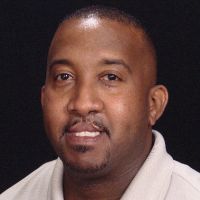
Sheet 1
- Addictions support
- Anger management
- Cognitive behavioral work
About LaJuan
LMSW in Michigan with a background across juvenile justice, child welfare, mental health, substance abuse, and crisis intervention. LaJuan Gibson says he uses cognitive behavioral therapy, strength-based methods, reality therapy, and the recovery model. He focuses on addictions, parenting, anger, self esteem, stress and anxiety, LGBT concerns, relationships, family matters, trauma and abuse, grief, career issues, and bipolar disorder.
Gibson has held many roles in Michigan systems including frontline practitioner, program coordinator, director, and chief executive officer. That system-level work shaped his practice and his interest in helping people who have shown resilience despite difficult circumstances. He describes his counseling style as eclectic and adaptable to each person's needs.
In sessions he concentrates on building emotional skills and practical coping strategies. He works on anger management and de-escalation, problem solving for conflict, and methods for reducing situational depression. The stated approaches include cognitive behavioral techniques alongside reality therapy and recovery-oriented steps.
He also provides training and coaching aimed at strengthening life skills and emotional intelligence. These shorter skill-focused meetings are used alongside longer therapeutic work when appropriate. Clients can expect an approach that emphasizes practical strategies they can use between sessions.
Gibson practices in Michigan and holds the LMSW credential shown above. Sessions are conducted in English. Prospective clients who want to begin are asked to follow the online matching and scheduling steps provided by the service.
Sheet 2
How his approaches translate to online sessions
LaJuan lists cognitive behavioral methods and recovery-oriented work among his main approaches. Cognitive behavioral techniques focus on identifying unhelpful thought patterns and practicing concrete behavior changes; these methods are often used for anxiety, stress, and mood concerns. The recovery model emphasizes building routines and supports that promote ongoing coping and function, which can be helpful for substance use and bipolar management.Finding the right mix of approaches is part of the work. He will collaborate with the person to decide which techniques fit their goals, needs, and preferences and will adjust the plan as progress is made.
The biography does not list specific session formats, so confirm the current online options before booking. In general, online work can make it easier to fit sessions into a busy schedule, allow shorter check-ins when needed, and remove travel time. Therapists use online appointments to teach skills, run focused coaching or training sessions, and follow up on behavior changes between meetings.
Sheet 3
Areas of expertise
Primary focus
Also works with
Listed in
Michigan
Languages
English
Sheet 4
Frequently asked questions
What concerns does he address?
He focuses on addictions, parenting, anger, self esteem, stress, anxiety, LGBT concerns, relationships, family issues, trauma and abuse, grief, career matters, and bipolar disorder.
What is his therapeutic style?
He describes an eclectic, adaptable style using cognitive behavioral techniques, reality therapy, strength-based methods, and the recovery model.
What experience does he bring?
He has served in juvenile justice, child welfare, mental health, substance abuse, and crisis intervention roles and has worked in practitioner, coordinator, director, and CEO positions.
What are his credentials and location?
He holds an LMSW and is based in Michigan.
Which languages are supported?
Sessions are offered in English and international clients are accepted.
What session formats are available?
The original biography does not specify session formats; confirm the current session options before booking.
How is cost handled?
Cost varies with location and sessions use a subscription that can be canceled at any time.
How do I begin working with him?
Use the See online therapy options button, complete the short matching questionnaire, and schedule a first session.
Online talk therapy is not emergency care. If you are in danger, use the urgent help numbers.