Sheet 1
- Cognitive Behavior Therapy
- Dialectical Behavior Therapy
- Schema informed therapy
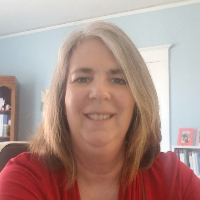
About Kimberly
LCMHC in North Carolina with seven years of clinical experience, Kimberly Harshaw works primarily with adults who struggle with mood and stress-related concerns. She sees people coping with depression, anxiety, bipolar disorder, grief, anger, relationship and intimacy issues, eating concerns, parenting strain, family conflict, trauma and abuse, and life transitions. Sessions also address chronic pain and its impact on daily functioning. Kimberly practices using evidence-based therapeutic techniques.
Kimberly earned a Master of Science degree in Mental Health Counseling from Walden University. She has worked with a wide range of ages but focuses most often on adults 18 and older. Her clinical work blends approaches to help people manage mood symptoms and pain that interfere with work, relationships, and daily life.
In sessions she uses Cognitive Behavior Therapy to identify unhelpful thinking and behavior patterns and to build specific skills for change. She incorporates elements of Dialectical Behavior Therapy to teach emotion regulation and distress tolerance, and she applies schema-informed ideas to address long-standing patterns that keep people stuck.
Kimberly describes therapy as a collaborative process. She helps clients set concrete goals, practice new skills between visits, and track progress over time. She also supports practical coping for stress and major life changes.
Her approach is straightforward and respectful. People who are looking for structured work on mood, stress, relationships, or chronic pain will find clear methods and step-by-step skills in her sessions.
Sheet 2
How therapeutic approaches are used in online sessions
CBT, or Cognitive Behavior Therapy, focuses on identifying and changing unhelpful thoughts and behaviors. It helps with depression, anxiety, mood instability, and problems that interfere with daily routines. DBT, or Dialectical Behavior Therapy, teaches emotion regulation, distress tolerance, and interpersonal skills to manage strong emotions and improve relationships. Schema-informed work looks at long-standing patterns and beliefs that cause recurring difficulties, helping people recognize and shift those patterns over time.Choosing the right approach is part of the work. The therapist will review your concerns, goals, and what has or hasn't helped before. Together you will try methods that fit your needs and adjust the plan based on progress and feedback.
Confirm the therapist's current session options before booking. Many people find that remote sessions help fit therapy into a busy schedule by removing travel time and allowing shorter check-ins when needed. Online work can make it easier to keep regular appointments, practice skills between visits, and involve focused skill-teaching without requiring a commute.
Sheet 3
Areas of expertise
Primary focus
Also works with
Experience
7+ years
Listed in
North Carolina
Languages
English
Sheet 4
Frequently asked questions
What concerns does she address?
She focuses on depression, anxiety, bipolar disorder, grief, anger, trauma and abuse, relationship and intimacy issues, eating concerns, parenting stress, family conflict, and coping with life changes.
What is her therapeutic style?
She uses structured, evidence-based techniques such as cognitive behavior approaches, DBT skills, and schema-informed work to teach practical skills and reduce symptoms.
How much clinical experience does she have?
She has seven years of experience working in clinical settings with a variety of presenting problems.
What credentials does she hold and where is she based?
She holds the LCMHC credential and practices in North Carolina.
Which languages are supported in sessions?
Sessions are offered in English.
Can people outside the United States work with her?
International clients are not currently accepted; she works with clients within her licensed region.
How are sessions scheduled and paid for?
Cost varies with location and sessions use a subscription that can be canceled at any time.
What steps start the process?
Select the See online therapy options button, complete a short matching questionnaire, and schedule your first session.
Online talk therapy is not emergency care. If you are in danger, use the urgent help numbers.