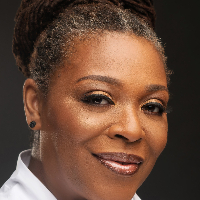
Sheet 1
- CBT methods
- Motivational interviewing
- Mindfulness practice
About Kascey
Georgia Licensed Professional Counselor (LPC) with 15 years of experience, Kascey Ifill helps people address stress, anxiety, addictions, relationship concerns, trauma and anger. She started in criminal justice and moved into counseling, bringing a background that includes work in correctional settings and addiction services. Kascey uses practical therapies such as cognitive behavioral techniques, motivational interviewing, mindfulness, and client-centered methods.
Kascey draws on experience helping people with substance use and process addictions, including gambling and compulsive behaviors. She also supports people who struggle with abandonment, codependency, dependent personality traits, infidelity, guilt, shame, and domestic violence histories. Her approach focuses on clear tools and steady progress rather than theory alone.
In sessions she emphasizes skills that reduce worry and manage strong emotions. That can mean identifying unhelpful thought patterns, building motivation for change, and practicing simple mindfulness exercises. She also runs or leads work aimed at addiction recovery, using both individual conversations and group formats where appropriate.
Kascey’s training includes work with trauma and clinical addiction care, which informs how she responds to complex patterns such as anger or relational mistrust. She frames therapy as a place to learn concrete coping steps and to test new ways of relating to others.
People who come to her often want straightforward feedback and hands-on strategies. She helps clients set manageable goals and tracks progress over time. Before booking, confirm current session options and formats.
Sheet 2
How her therapeutic approaches work in remote sessions
Client-Centered Therapy focuses on listening and responding to each person's concerns. The therapist follows the client's lead, reflects what they say, and helps them decide goals and next steps. This approach can help with relationship strain and trust issues. Cognitive Behavioral Therapy (CBT) breaks down distressing thoughts and behaviors into parts you can change. It uses short exercises and practical homework to reduce anxiety and manage cravings. CBT is useful for worry, mood problems, and many types of addiction-related behaviors. Motivational Interviewing helps people explore and strengthen their own reasons for change. It uses open questions and reflective responses to build motivation for recovery or behavior change, which fits well with addiction work. Finding the right mix of approaches is part of the first sessions. The therapist will collaborate with each person to choose methods based on goals, preferences, and how they respond in early meetings. Confirm the session formats before booking because the biography does not list specific options. Online sessions can make it easier to schedule short check-ins, fit therapy into a workday, or avoid travel. When considering remote work, think about what will help you focus - quieter surroundings, not being on camera, or shorter sessions - and discuss those needs during your initial appointment.Sheet 3
Areas of expertise
Primary focus
Additional focus areas
Therapeutic approaches
Experience
15+ years
Listed in
Georgia
Languages
English
Sheet 4
Frequently asked questions
What concerns does she address?
She works with stress, anxiety, addictions, relationship problems, trauma and anger. Additional focuses include abandonment, codependency, domestic violence, and process addictions.
What approach does she use in sessions?
Main methods are Client-Centered Therapy, Cognitive Behavioral Therapy (CBT), Dialectical Behavior Therapy (DBT), mindfulness, and Motivational Interviewing. Sessions tend to emphasize practical skills and behavior change.
How much experience does she have?
She has 15 years of clinical experience. Her background includes counseling in correctional settings and work in addiction services.
What are her credentials and where is she based?
She is a Georgia Licensed Professional Counselor (LPC) and practices from Georgia. Those are the credentials listed.
Which languages are supported?
Sessions are offered in English. International clients are accepted.
What session formats are available?
The original biography does not specify session formats. Please confirm current session options before booking.
How are fees handled?
Cost varies with location and sessions use a subscription model that can be canceled at any time. Exact rates depend on your location.
How do I get started?
Select the See online therapy options button, complete a short matching questionnaire, and schedule a first session. That launches the intake and booking process.
Online talk therapy is not emergency care. If you are in danger, use the urgent help numbers.