Sheet 1
- Stress and anxiety
- Trauma and abuse
- LGBT related issues
About Jennifer
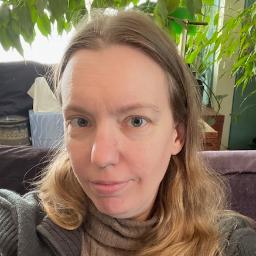
Licensed Clinical Social Worker (LCSW) in North Carolina with 7 years of experience, Jennifer Richards helps people address stress, anxiety, relationship issues, trauma and abuse, and depression. She also works with concerns related to LGBTQ+ issues, attachment and abandonment, and pain or chronic illness. Jennifer uses evidence-based therapeutic techniques and centers the client's perspective in planning care.
Jennifer views the person in front of her as the expert in their own story. She looks for strengths a person already has and builds on those skills. Sessions focus on concrete steps and practical strategies rather than abstract explanations.
Her work includes talking through relationship patterns, handling panic and anxiety, and processing past hurt from trauma and abuse. She also addresses body image, guilt and shame, isolation, and life purpose questions. When medical issues or chronic pain are present, she incorporates the impact of illness into the therapy plan.
Jennifer supports people navigating non-monogamous relationships and the particular communication needs that can arise there. She helps individuals manage money-related stress and the emotional fallout of divorce or separation. Conversations often include improving communication and repairing attachment difficulties.
Sessions are conducted in English and follow the LCSW scope of practice. International clients are not accepted. To start, a person completes a short matching questionnaire and schedules a first session through the therapist's online options.
Sheet 2
How therapeutic approaches guide online sessions
Jennifer uses evidence-based therapeutic techniques in online work, focusing on approaches that teach skills and process difficult experiences. One common approach is skills-based work that teaches concrete tools for managing anxiety and panic, such as breathing strategies, grounding, and short behavioral experiments that can be practiced between sessions. Another is trauma-focused processing that helps people make sense of painful memories and reduce their hold on daily life by working step by step through what feels manageable.Choosing the right method happens together. The therapist will ask about goals, symptoms, and preferences, then suggest approaches to try. Sessions are collaborative and adjusted over time based on what helps most for a person’s situation.
Confirm the specific session formats before booking since none are listed here. Online therapy can make it easier to fit appointments into a busy week, allow shorter check-ins when needed, and reduce travel time. These practical benefits can help someone maintain consistency with therapy and apply new skills between appointments.
Sheet 3
Areas of expertise
Primary focus
Additional focus areas
Experience
7+ years
Listed in
North Carolina
Languages
English
Sheet 4
Frequently asked questions
What kinds of concerns does she address?
She works with stress, anxiety, relationship problems, trauma and abuse, and depression. Additional focus areas include attachment, body image, chronic illness, and panic.
What is her therapeutic style?
She uses evidence-based therapeutic techniques and focuses on practical steps. The client’s experience and strengths guide treatment choices.
How much experience does she have?
She has seven years of professional social work experience practicing as an LCSW.
Where is she licensed and based?
She is a North Carolina LCSW and practices from that state.
Which languages are supported?
Sessions are offered in English.
Can people from other countries work with her?
International clients are not currently accepted.
How are sessions paid for?
Cost varies with location and sessions use a subscription that can be canceled at any time.
How do I begin working with her?
Start by selecting the See online therapy options button, completing a short matching questionnaire, and scheduling a first session.
Online talk therapy is not emergency care. If you are in danger, use the urgent help numbers.