Sheet 1
- Client-centered work
- Solution-focused tasks
- Substance use help
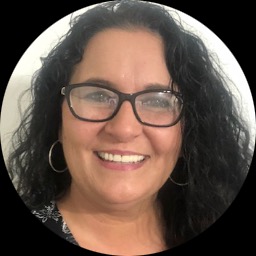
About Jennifer
Jennifer “Jenni” Mayes is a Licensed Clinical Social Worker (LCSW) licensed in Texas with 18 years of practice. She works mainly with stress, anxiety, addictions, relationship concerns, self-esteem, and career issues. Sessions are conducted in English and her work includes several related focus areas such as family of origin issues, communication problems, and substance use concerns.
Mayes uses a client-centered stance in session. That means she listens first and follows the person's lead to understand what matters most. She also uses solution-focused techniques to identify small, practical changes that can make daily life easier.
Her approach is straightforward. Sessions aim to clarify the current problem, name workable goals, and try simple steps between meetings. She pays attention to how past family dynamics, abandonment, and codependency patterns affect present choices. Practical tools for handling guilt, shame, control issues, and blended family strain are part of the work.
For people facing divorce, separation, or fatherhood transitions, she focuses on communication and decision points. With addictions and hoarding concerns, she looks at triggers and short-term strategies to reduce harm. Career and self-esteem work centers on clearer values and actionable next steps.
Getting started involves a short matching questionnaire and scheduling a first session. Sessions use a subscription model that can be canceled at any time. International clients are not accepted.
Sheet 2
How her approaches translate to online sessions
Client-Centered Therapy focuses on listening and following the client's priorities. In practice this means the therapist asks open questions, reflects what she hears, and helps the person decide which issues to work on first. This approach is useful for concerns like anxiety, low self-esteem, and family of origin issues.Solution-Focused Therapy emphasizes small, practical steps toward clear goals. Sessions identify what is already working, set brief objectives, and plan between-session tasks. That style suits stress management, relationship communication skills, and early-stage addiction coping strategies.
Choosing the best approach is collaborative. She will discuss options and adjust methods based on the client's needs, goals, and preferences. The process may combine listening-focused work with brief action steps so sessions remain practical and grounded.
Confirm the current session formats before booking, since none were specified in the biography. Online work can make it easier to fit sessions into a busy week and support shorter check-ins or focused problem-solving when needed. It also lets people continue therapy while managing work, caregiving, or travel without a commute.
Sheet 3
Areas of expertise
Primary focus
Additional focus areas
Therapeutic approaches
Experience
18+ years
Listed in
Texas, Utah
Languages
English
Sheet 4
Frequently asked questions
What concerns does she address?
She works with stress, anxiety, addictions, relationship issues, self-esteem, and career concerns. Additional focuses include family of origin issues, communication problems, and hoarding.
What is her therapeutic style?
She uses Client-Centered Therapy to listen and follow the client's priorities. She also uses Solution-Focused Therapy to set concrete short-term goals and steps.
How much experience does she have?
She has 18 years of experience in the field of therapy.
What credentials and region apply?
She is an LCSW licensed in Texas. Practice and credential details include TX LCSW and UT LCSW as provided.
Which languages are supported?
Sessions are offered in English.
Can international clients work with her?
International clients are not currently accepted.
How are sessions billed?
Sessions use a subscription model and the subscription can be canceled at any time; costs vary with location.
How do I begin a first session?
Select the See online therapy options button, complete a short matching questionnaire, and schedule your first session.
Online talk therapy is not emergency care. If you are in danger, use the urgent help numbers.