Sheet 1
- Trauma and abuse
- Self esteem
- EMDR and CBT
About James
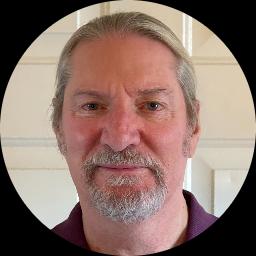
James Jones is an LCSW (Licensed Clinical Social Worker) licensed in Arizona with 19 years of experience. He focuses on trauma and abuse, self esteem, and coping with life changes. He also addresses guilt and shame, isolation and loneliness, midlife crisis, and veteran and armed forces issues.
James favors straightforward, skills-based work. He often uses cognitive behavioral methods and mindfulness to help people spot unhelpful thoughts and try different behaviors. He also draws on existential ideas to look at meaning and values when life changes feel overwhelming.
For trauma he uses Eye Movement Desensitization and Reprocessing, alongside other trauma-focused techniques. Sessions typically involve talking through recent problems, practicing coping skills, and setting small goals to test new approaches between meetings. Motivational interviewing is used when people need help finding momentum for change.
He describes clients as the experts on their own stories and works collaboratively to build on strengths. Meetings are practical and focused on the problems people bring in. The aim is to make changes that feel useful in day-to-day life.
People who reach out will complete a short matching questionnaire and then schedule a first session. Before booking, confirm current session options and times to fit your schedule.
Sheet 2
Therapeutic approaches used in online sessions
James commonly uses Cognitive Behavioral Therapy to help people notice unhelpful thoughts and try different behaviors. CBT is practical and often includes small experiments to test new ways of thinking and acting.He also uses Eye Movement Desensitization and Reprocessing, a trauma-focused approach that works on reducing distress linked to traumatic memories. EMDR sessions focus on processing specific memories and the reactions they cause.
Finding the right approach is part of the work. The therapist will collaborate with the person to choose methods that match their needs, goals, and preferences. That decision can change over time as progress is made and priorities shift.
Confirm the current session options before booking to know what formats are available. Online sessions can make it easier to fit therapy into a busy week and can reduce travel time. They also allow for shorter check-ins or sessions that suit a work break or a quieter time of day, depending on which formats the therapist is offering.
Sheet 3
Areas of expertise
Primary focus
Additional focus areas
Therapeutic approaches
Experience
19+ years
Listed in
Arizona
Languages
English
Sheet 4
Frequently asked questions
What concerns does he work with?
He focuses on trauma and abuse, self esteem, and coping with life changes. Additional areas include guilt and shame, isolation and loneliness, midlife crisis, and veteran and armed forces issues.
What is his therapy style?
He works collaboratively and uses practical, skills-based sessions. Conversations aim to identify useful changes and set small goals between meetings.
How long has he been practicing?
He has 19 years of professional experience in clinical practice.
What are his credentials and location?
He is an LCSW licensed in Arizona and practices from that state.
Which languages are supported?
Sessions are offered in English.
Can I work with him from outside the United States?
He does not accept international clients at this time.
How are session costs handled?
Cost varies with location and sessions use a subscription that can be canceled at any time.
How do I get started?
Select the See online therapy options button, complete a short matching questionnaire, and schedule a first session.
Online talk therapy is not emergency care. If you are in danger, use the urgent help numbers.