Sheet 1
- Stress and anxiety
- Culture and music
- Depression and trauma
About Guileine
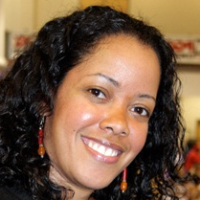
LCSW-C (Maryland) and LCSW (Florida) with 14 years of experience, Guileine Kraft focuses on stress, anxiety, relationships, and related concerns. She practices in Florida and conducts work in English. She brings practical, culture-aware methods to sessions and uses evidence-based therapeutic techniques described in her biography.
Kraft draws on a mix of clinical tools and cultural resources. She integrates clients' cultural interests, such as music and the arts, into conversations when useful. She aims to help people manage depression, anxiety, trauma-related reactions, grief, and everyday problems like sleep and parenting strain.
Her background includes long-term clinical work in Maryland and experience with military populations in deployed and garrison settings. She has also taught as an adjunct faculty member and trained students and professionals in both face-to-face and online contexts. Her experience spans work with a range of cultural and ethnic backgrounds.
Sessions emphasize practical steps and real-life changes. Conversations move between coping strategies, thought patterns, and creative resources clients already use. Kraft uses technology as part of care and supports learning new tools for daily living when it fits a person’s goals.
People interested in starting are asked to use the platform’s matching and scheduling flow. The therapist’s approach is described as collaborative and oriented toward measurable change rather than vague promises.
Sheet 2
How therapeutic approaches are used in remote sessions
Cognitive behavioral methods focus on identifying unhelpful thoughts and testing new behaviors. In session, this often means setting small, practical goals, trying different coping steps between meetings, and reviewing what did and didn’t help. This approach can be useful for anxiety, depression, sleep problems, and everyday stress. Culturally informed techniques draw on a person’s background and interests to make therapy more relevant. That can include using music, the arts, or cultural routines as material for discussion and practice. It helps ground skills in things a person already values. Finding the right approach is part of the work. The therapist collaborates with each person to choose methods that fit their needs, goals, and preferences. Plans are adjusted over time based on what works in practice. Confirm the session formats offered before booking since formats were not specified in the biography. Online sessions can make it easier to fit appointments into a busy week, allow shorter check-ins when needed, and reduce travel time. They also let people use technology as part of their therapeutic work, such as tracking mood between sessions or using music and recordings as homework.Sheet 3
Areas of expertise
Primary focus
Also works with
Experience
14+ years
Listed in
Maryland, Florida
Languages
English
Sheet 4
Frequently asked questions
What concerns does she address?
She works with stress, anxiety, relationship issues, self-esteem, career concerns, addictions, family matters, trauma and abuse, grief, sleep problems, parenting strain, anger, and depression.
What style of therapy does she use?
She uses an eclectic approach grounded in cultural self-determination and cognitive behavioral methods. Sessions combine practical techniques and creative resources like music and the arts.
How much clinical experience does she have?
She has 14 years of clinical experience, including work in Maryland with a range of clients and settings, and experience training students and professionals.
What are her credentials and practice location?
She holds LCSW-C in Maryland and LCSW in Florida, and practices in Florida. The first credential is shown as LCSW-C (Maryland) and the second as LCSW (Florida).
Which languages are supported?
Sessions are offered in English.
Can international clients work with her?
International clients are not currently accepted.
How does payment and cost work?
Cost varies by location and sessions use a subscription model that can be canceled at any time.
How do I begin a first session?
Use the See online therapy options button, complete the short matching questionnaire, and schedule your first session through the platform.
Online talk therapy is not emergency care. If you are in danger, use the urgent help numbers.