Sheet 1
- Stress and anxiety
- Depression and grief
- Cognitive behavioral work
About Grant
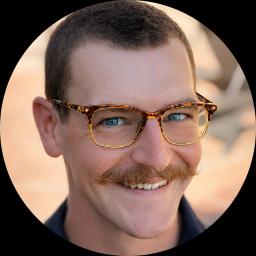
LCSW in Arizona with eight years of experience, Grant Satterthwaite helps adults dealing with stress, anxiety, depression, relationship strain, grief, and self-esteem concerns. He works with people who feel stuck under the pressure to keep everything together and want clearer direction or more resilience.
Grant sees many clients who are thoughtful and motivated for change but find themselves repeating unhelpful patterns. He focuses on helping people understand those patterns, build emotional resilience, and reconnect with a sense of purpose and balance. Sessions are collaborative and paced to match each person’s needs.
His work draws on Cognitive Behavioral Therapy, trauma-informed care, and an existential perspective that looks at meaning and identity. That mix aims to balance insight with practical steps so progress is both understood and applied. Conversations move between exploring feelings and trying concrete strategies.
Grant describes his style as grounded and straightforward. He uses humor and directness when it helps, and encourages honest discussion about hard topics like guilt, shame, isolation, and midlife questions. He also addresses body image and caregiver stress when these issues come up.
People who want to clarify values, solve recurring problems, or find renewed direction may find this approach helpful. To begin, a short questionnaire and a scheduled first session start the process so therapy can focus quickly on the issues that matter most.
Sheet 2
How Grant applies evidence-based techniques in remote sessions
Grant commonly uses Cognitive Behavioral Therapy to identify unhelpful thoughts and behaviors and then test small, practical changes. CBT helps with anxiety, low mood, and problem patterns by turning insights into manageable steps.He also works from trauma-informed principles that focus on safety, pacing, and recognizing how past stressors affect current reactions. This approach helps people address strong emotional responses and start to rebuild a steadier routine.
Finding the right combination of approaches is part of the work. Grant treats the choice of methods as collaborative and will adjust methods based on the client’s goals, needs, and preferences. Together they review what’s helping and change course when needed.
Session formats are not listed in the biography, so confirm the current options before booking. Many people appreciate remote sessions because they can fit therapy into a busy day, avoid travel time, or choose a quieter setting that suits their schedule. Some formats can make check-ins shorter or remove the need to be on camera; confirm which options are offered when you set up the first appointment.
Sheet 3
Areas of expertise
Primary focus
Additional focus areas
Experience
8+ years
Listed in
Arizona
Languages
English
Sheet 4
Frequently asked questions
What concerns does he commonly address?
He helps adults with stress, anxiety, depression, relationship strain, grief, and self-esteem. Additional focus areas include body image, caregiver stress, guilt and shame, isolation, life purpose, men's issues, and midlife concerns.
What is his therapeutic style?
Therapy is collaborative and paced to the client. He mixes insight-oriented discussion with practical strategies and uses a grounded, straightforward manner.
How much clinical experience does he have?
He has eight years of experience as a clinician working with adults in Arizona.
What are his credentials and location?
He is a Licensed Clinical Social Worker, LCSW, practicing in Arizona.
Which languages are supported in sessions?
Sessions are offered in English.
Can people outside the U.S. work with him?
He does not accept international clients at this time.
What formats are used for sessions?
Session formats are not specified here; confirm current session options before booking.
How do I get started?
Click the See online therapy options button, complete a short matching questionnaire, and schedule a first session to begin.
Online talk therapy is not emergency care. If you are in danger, use the urgent help numbers.