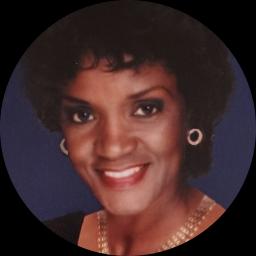
Sheet 1
- Stress and anxiety
- ADHD support
- Life transitions
About Glenda
LMFT, 18 years of experience. Glenda Bridges helps people manage stress, anxiety, anger, self-esteem, and life changes. She also focuses on ADHD-related struggles, social anxiety and phobia, loneliness, forgiveness, life purpose, and self-love.
Glenda uses evidence-based therapeutic techniques and works with each person to figure out what matters most to them. Sessions focus on practical steps to reduce overwhelm, build better coping habits, and make daily life feel more manageable. She names and explains methods so clients can try tools between sessions.
She often supports people who are wrestling with social withdrawal or searching for clearer direction in life. Conversations address patterns that keep someone stuck and introduce small experiments to test new ways of relating to others. Work on self-esteem includes concrete practices for self-reflection and behavior change.
When anger or ADHD symptoms are present, she breaks problems into smaller parts and helps set up routines that fit the person’s day. For life transitions she coaches on decision points and on rebuilding a sense of meaning after loss or change.
The practice also offers a faith-informed option for those who prefer it, integrating clients' spiritual values into therapy when requested. People who want to begin are encouraged to use the site's matching steps and schedule a first session to discuss goals.
Sheet 2
How therapeutic approaches are used in online sessions
Glenda uses evidence-based therapeutic techniques to guide her work. One common approach she applies focuses on breaking problems into smaller, manageable parts and building routines that reduce daily stress and support attention and organization. This method is useful for people dealing with ADHD-related struggles and overwhelming schedules.Another approach centers on skills for anxiety and anger management. It teaches breathing, behavioral experiments, and gradual exposure to feared social situations to lower avoidance and increase confidence. These techniques aim to give concrete steps someone can practice between sessions.
Finding the right mix of methods is part of the process. The therapist works collaboratively to identify goals and test approaches that fit the client's needs and preferences. Clients can expect to review what works and adjust methods over time as progress is tracked.
Session formats are not specified in the biography, so confirm current options before booking. Online work can make it easier to fit appointments into a busy week, shorten check-ins when time is tight, and reduce travel time. Licensed professionals often use virtual sessions to keep therapy consistent with everyday life while focusing on measurable skill-building and behavior change.
Sheet 3
Areas of expertise
Primary focus
Additional focus areas
Experience
18+ years
Listed in
California
Languages
English
Sheet 4
Frequently asked questions
What concerns does she help with?
She works with stress, anxiety, anger, self-esteem, coping with life changes, and ADHD. Additional focuses include forgiveness, isolation or loneliness, life purpose, self-love, and social anxiety and phobia.
How would you describe her therapeutic style?
She uses evidence-based therapeutic techniques and a practical, collaborative approach. Sessions emphasize clear tools and steps people can try between meetings.
How much clinical experience does she have?
She has 18 years of clinical experience working with adults on the issues listed above.
What are her credentials and location?
She is an LMFT licensed in California. Her practice is based in California.
Which languages are available for sessions?
Sessions are offered in English.
Can international clients work with her?
She does not accept international clients at this time.
How much do sessions cost?
Cost varies by location and sessions use a subscription that can be canceled at any time.
How do I begin a first session?
Use the See online therapy options button, complete a short matching questionnaire, and schedule a first session.
Online talk therapy is not emergency care. If you are in danger, use the urgent help numbers.