Sheet 1
- Attachment based therapy
- Grief and loss support
- Hospice and end of life
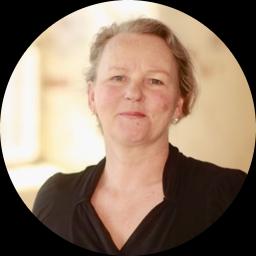
About Elizabeth
Elizabeth Burgess is a BACP counsellor in the United Kingdom with 13 years of experience. She focuses on trauma and abuse, anxiety, grief, depression, self-esteem, stress and coping with life changes. She also offers work related to hospice and end-of-life counselling.
Elizabeth uses an attachment-based approach and talks with people about their relationships and how early patterns affect present feelings. Sessions are practical and conversational. She helps people name what is happening and try out different ways of relating and coping.
In a session she listens to what matters most and helps set clear, manageable goals. She pays attention to patterns in how people connect with others and how that affects mood and stress. She explains ideas plainly and checks in about what’s working for each person.
Elizabeth’s work includes support for grief and loss, and for people coping with major life changes. She also provides counselling for experiences of trauma and abuse, focusing on stabilising reactions and building everyday coping skills. She will discuss pacing and timing so each person can proceed at a comfortable speed.
People choosing to work with her can expect straightforward conversation about how past relationships shape current responses. She will help identify small, practical changes to reduce anxiety and improve day-to-day functioning. To begin, people are invited to follow the site process to match and arrange an initial session.
Sheet 2
How attachment work translates to remote sessions
Attachment-based therapy looks at how early bonds influence current relationships and emotional responses. In plain terms, it helps people spot patterns in how they connect, respond to stress and manage closeness, and is often used for anxiety, low self-esteem and relationship-related distress.The therapist will also use practical, conversation-led work to help stabilise reactions after trauma and to support grief or end-of-life concerns. That means sessions focus on steadying day-to-day coping, practising different responses and deciding small next steps together.
Finding the best approach is part of the process. The therapist will work collaboratively to identify which methods fit a person’s needs, goals and preferences, and will review progress and adjust the plan as required.
Confirm the exact session formats available before booking. The practical benefits of remote counselling include fitting sessions around work or family time, avoiding travel, and making shorter check-ins easier to arrange. Remote meetings can also suit quieter conversations or allow people to choose whether to be on camera, depending on what they prefer.
Sheet 3
Areas of expertise
Primary focus
Additional focus areas
Therapeutic approaches
Experience
13+ years
Listed in
United Kingdom
Languages
English
Sheet 4
Frequently asked questions
What concerns does she help with?
She works with trauma and abuse, anxiety, stress, grief, low self-esteem, depression and coping with life changes. Hospice and end-of-life counselling are also areas of focus.
What is her therapeutic style?
She uses an attachment-based approach and keeps sessions practical and conversational. The work looks at relationship patterns and how they affect feelings and behaviour.
How much clinical experience does she have?
She has 13 years of professional counselling experience working with the listed concerns. That experience includes work with grief and trauma-related issues.
What credential does she hold and where is she based?
She is registered with the BACP and practises in the United Kingdom.
Which languages are sessions offered in?
Sessions are offered in English.
Can people outside the UK work with her?
She accepts international clients. Confirm any regional considerations during the matching process as needed.
How are sessions paid for?
Cost varies with location. Sessions use a subscription that can be cancelled at any time.
How do I start a first session?
Use the See online therapy options button, complete the short matching questionnaire, and schedule a first session through the site process.
Online talk therapy is not emergency care. If you are in danger, use the urgent help numbers.