Sheet 1
- Stress and anxiety
- Relationship issues
- Self esteem work
About CheaRon
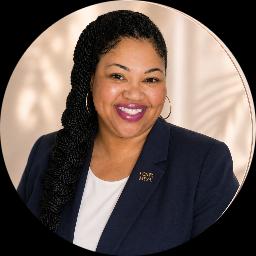
LCSW in North Carolina with 22 years of experience, CheaRon Darrett helps adults address stress, anxiety, relationship and family concerns as well as self-esteem and depression. She works with people who want practical help and clear conversation about what gets in the way of daily functioning and relationships. Sessions are offered in English.
Darrett comes from social work practice and long experience supporting young adults in educational settings. She focuses on identifying repeated patterns that create stuck points. In session she talks through behavior patterns, communication habits, and emotional reactions so clients can make different choices.
Her approach centers on straightforward, client-centered work that teaches coping skills and problem-solving. She values accountability and self-awareness and asks clients to practice new skills between sessions. This often includes tried steps to change how people respond to stress and relationship strain.
She also pays attention to how cultural background and experiences of prejudice and discrimination shape feelings and choices. Money, work stress, and questions about life purpose are common topics. CheaRon works with people facing guilt, shame, attachment or abandonment concerns and supports them in rebuilding self-regard.
Sessions are practical and goal-focused. The therapist is direct but relatable and aims to help clients move from stuck patterns to clearer options. To begin, follow the site's booking steps and complete the short questionnaire to schedule a first session.
Sheet 2
How evidence-based approaches translate to online care
Two common evidence-based approaches CheaRon uses are skills-based coping work and pattern-focused therapy. Skills-based coping work teaches specific steps to manage anxiety, low mood, and stress. Clients learn breathing, activity planning, and practical problem-solving they can practice between sessions. Pattern-focused therapy looks at repeated relationship and behavior patterns. It helps people notice old responses to attachment or abandonment and try different ways of relating that reduce conflict and isolation.Finding the right approach is a collaborative process. The therapist and client review goals, history, and what has or hasn’t worked before. Together they choose techniques to try and adjust them over time based on what helps the client reach their goals.
The biography does not list which session formats are offered, so confirm current options before booking. Many people find online sessions help fit therapy into a busy life because they avoid travel and can be scheduled around work or school. Some formats make it easier to have shorter check-ins, avoid being on camera, or limit bandwidth use. Talk with the therapist about what rhythm and format would best suit your schedule and day-to-day routines.
Sheet 3
Areas of expertise
Primary focus
Additional focus areas
Experience
22+ years
Listed in
Indiana, Arizona, Kentucky, North Carolina
Languages
English
Sheet 4
Frequently asked questions
What kinds of concerns does she address?
She works with stress, anxiety, relationship and family concerns, self-esteem issues, and depression. Additional areas include attachment, communication problems, guilt and shame, and multicultural concerns.
What is her therapeutic style?
The style is direct and relatable with a client-centered focus. She emphasizes accountability, self-awareness, and practical skill building.
How long has she practiced?
She has 22 years of counseling experience, including years working with young adults in educational settings.
What credential and location apply?
She holds the LCSW credential and practices in North Carolina.
Which languages are supported?
Sessions are offered in English.
Can international clients sign up?
International clients are not currently accepted.
How are sessions billed?
Cost varies with location; sessions use a subscription that can be canceled at any time.
How do I begin working together?
Select the See online therapy options button, complete the short matching questionnaire, and schedule a first session.
Online talk therapy is not emergency care. If you are in danger, use the urgent help numbers.