Sheet 1
- Stress and anxiety
- Addictions and mood
- Attachment and forgiveness
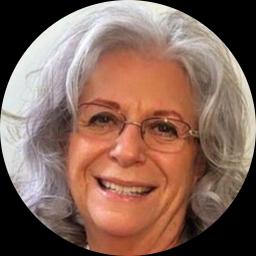
About Carmen
Licensed Professional Counselor (LPC) in Georgia with 16 years of experience, Carmen Cripps Looney helps people facing stress, anxiety, addiction, trauma, bipolar disorder, and depression. She also focuses on attachment issues, guilt and shame, forgiveness, panic attacks, mood disorders, and post-traumatic stress. Carmen communicates plainly and aims to help clients find practical ways to manage day-to-day symptoms.
Carmen uses evidence-based therapeutic techniques to guide sessions. She emphasizes steady pacing so people can talk through painful memories without feeling rushed. Sessions include focused conversation, coping skills practice, and attention to patterns that maintain distress. She pays attention to how attachment and past hurts affect current relationships and mood.
Carmen describes her work with emotional wounds and forgiveness as a step-by-step process. She helps people notice shame and guilt, name the feelings, and try new responses. For panic and mood problems she uses concrete strategies to reduce intensity and increase stability. People who book with Carmen can expect direct, plain spoken sessions that focus on what is happening now and what can be changed. She supports gradual progress with measurable steps and regular check-ins on how interventions are working.
Sheet 2
How evidence-based approaches fit into online work
Licensed professionals often use techniques that directly target symptoms. Two common evidence-based directions she emphasizes are skills-based work for anxiety and structured processing for trauma. Skills-based work teaches breathing, grounding, and behavioral steps to reduce panic and steady mood swings. Structured trauma processing helps people identify traumatic memories, notice their impact, and try new, less distressing ways to respond.Finding the right approach is a collaborative process. The therapist and client review goals, try methods, and adjust as needed. Clients help decide which techniques feel useful and which need altering or pausing, so the work matches goals and comfort level.
Confirm which session formats are offered before booking because formats were not specified in the biography. Online sessions can make it easier to fit therapy into daily life by removing travel time and allowing shorter check-ins around work or family commitments. They also let people choose a setup that suits them - for example, audio-only can be used when bandwidth is limited or video when visual cues are helpful. Discuss format preferences during the matching step so sessions line up with practical needs and therapeutic aims.
Sheet 3
Areas of expertise
Primary focus
Additional focus areas
Experience
16+ years
Listed in
Georgia, Michigan
Languages
English
Sheet 4
Frequently asked questions
What kinds of concerns does she address?
She works with stress, anxiety, addictions, trauma and abuse, bipolar disorder, and depression, plus related issues like attachment wounds, guilt and shame, panic, and post-traumatic stress.
What is her therapeutic style?
Her style uses evidence-based therapeutic techniques with plain spoken guidance. Sessions focus on coping skills, making sense of patterns, and step-by-step work on painful memories.
How much clinical experience does she have?
She has 16 years of experience working with people who face mood, anxiety, trauma, and addiction concerns.
What are her credentials and where is she located?
She is an LPC and holds Licensed Professional Counselor credentials in Georgia and Michigan as noted by GA LPC and MI LPC, and practices in Georgia.
Which languages are supported?
Sessions are offered in English.
Does she work with international clients?
International clients are not currently accepted.
How are costs handled?
Cost varies with location and sessions use a subscription that can be canceled at any time.
What do I do to get started?
Use the See online therapy options button, complete a short matching questionnaire, and schedule a first session.
Online talk therapy is not emergency care. If you are in danger, use the urgent help numbers.