Sheet 1
- CBT techniques
- DBT skills
- EMDR use when indicated
About Brandon
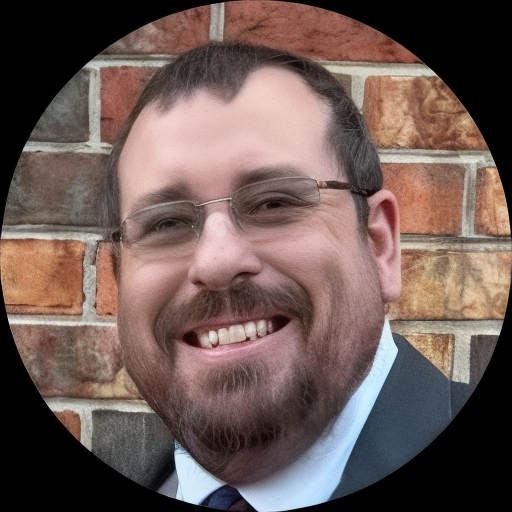
Licensed Professional Counselor (LPC) in Tennessee with eight years of experience, Brandon Byrd helps people facing depression, anger, low self-esteem, and career or life changes. He sees individuals who want practical ways to cope and improve day-to-day functioning. Sessions focus on making sense of feelings and developing clearer ways to respond to stress and relationships.
Brandon uses a mix of methods to match each person's needs. He draws on Client-Centered Therapy to listen and reflect what matters to the client. He also uses Cognitive Behavioral Therapy (CBT) and Dialectical Behavior Therapy (DBT) skills to teach concrete tools for managing thoughts and emotions.
He works with people managing attachment concerns, blended family tensions, communication problems, and the effects of trauma. He also supports men dealing with issues around identity, work stress, and relationships. Brandon pays attention to how patterns of thinking and behavior shape daily life and offers ways to change them.
Motivational Interviewing is part of his approach when someone wants help finding motivation for change. Brandon can also use Eye Movement Desensitization and Reprocessing (EMDR) when trauma symptoms are present and the client and clinician agree it fits the work.
Clients can expect direct conversation about goals and small, practical steps between sessions. He frames therapy as collaborative problem solving rather than abstract insight work. To begin, people complete a short questionnaire and schedule a first session to discuss next steps.
Sheet 2
How his approaches fit into online sessions
Client-Centered Therapy focuses on listening and reflecting what you say so you can clarify your own goals and values. This approach helps when someone is unsure what they want to change or needs time to talk through difficult emotions.Cognitive Behavioral Therapy (CBT) involves identifying unhelpful thinking patterns and testing small behavioral changes. It is useful for depression, anxiety, workplace problems, and improving day-to-day coping skills.
Dialectical Behavior Therapy (DBT) skills teach practical tools for managing strong emotions, improving distress tolerance, and enhancing communication. These skills are often used when emotional reactivity or relationship conflict is a main concern.
Finding the right approach happens together. The therapist will discuss goals, try techniques in session, and adjust the plan based on what helps. That collaborative process aims to match methods to the client’s needs and preferences rather than applying a single technique from the start.
Confirm the exact session formats before booking since the biography does not list them. When arranged, online sessions can make it easier to fit therapy around work, school, or caregiving. They can also allow shorter check-ins or sessions without video when that better suits daily life. Ask about format options during the scheduling step so sessions align with practical needs.
Sheet 3
Areas of expertise
Primary focus
Additional focus areas
Therapeutic approaches
Experience
8+ years
Listed in
Tennessee
Languages
English
Sheet 4
Frequently asked questions
What problems does he help with?
He works with depression, anger, low self-esteem, career transitions, and coping with life changes. Additional focus areas include attachment issues, blended family concerns, communication problems, trauma, loneliness, men's issues, social anxiety, and workplace stress.
What methods does he use in sessions?
He practices Client-Centered Therapy, Cognitive Behavioral Therapy (CBT), Dialectical Behavior Therapy (DBT), EMDR, and Motivational Interviewing. Techniques are chosen to match each person's goals and needs.
How long has he been practicing?
He has eight years of professional experience as a counselor. That experience includes working with a range of mood, anxiety, and relationship concerns.
What credential does he hold and where is he based?
He is a Licensed Professional Counselor, listed as LPC in Tennessee. His practice is based in Tennessee.
Which languages are supported?
Sessions are offered in English. International clients are not currently accepted.
What session formats are available?
Confirm current session options before booking, as specific formats are not listed in the biography. Ask directly about video or phone possibilities when you schedule.
How are fees handled?
Cost varies with location and sessions use a subscription model that can be canceled at any time. Ask for details about rates when you begin the matching process.
How do I start working with him?
Select the See online therapy options button, complete a short matching questionnaire, and schedule a first session. The first meeting is used to set goals and choose the best approach.
Online talk therapy is not emergency care. If you are in danger, use the urgent help numbers.