Sheet 1
- Attachment-Based Therapy
- Client-Centered Therapy
- Existential Therapy
About William
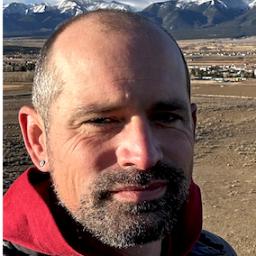
William Holt is a Licensed Professional Counselor (LPC) in Colorado with 16 years of experience. He focuses on stress, anxiety, trauma and abuse, grief, parenting concerns, and self-esteem work. He uses Attachment-Based, Client-Centered, and Existential approaches to support people facing difficult emotions.
Holt begins by listening to what matters most to each person. Sessions are practical and conversational. He helps people name difficult feelings like shame or guilt and look at how those feelings affect daily life and parenting choices.
When trauma or post-traumatic stress is present, he helps people notice how past experiences shape current reactions. He uses attachment ideas to look at important relationships and how they influence trust and safety in close connections. The client-centered stance means the person’s experience guides the pace and focus of work.
Existential concepts are brought in when people are wrestling with meaning, values, or responsibility under stress. Those conversations help clarify what matters and what choices are available, even amid grief or anxiety. The therapist aims to combine practical strategies with deeper reflective work.
Holt has worked in clinical and educational settings over his career. He often helps people develop self-love and reduce self-criticism while also creating concrete coping skills for daily stress. To begin, he asks about current struggles, relevant history, and what a better week would look like.
Sheet 2
How his approaches shape online work
Attachment-Based Therapy looks at how early or important relationships affect current emotional responses. Online sessions can use that lens to track patterns in relationships and practice new ways of relating. Client-Centered Therapy centers on the person’s own perspective and pace; the therapist follows what the client brings and helps clarify feelings and choices. Existential Therapy addresses questions of meaning, responsibility, and values when people face grief, anxiety, or major life changes.Finding the right approach is treated as a collaborative task. The therapist will discuss what resonates, try different ways of working, and adjust based on the client’s goals and preferences. Clients help set the agenda and decide whether to emphasize coping tools, relational patterns, or deeper meaning conversations.
The biography does not list specific session formats, so confirm current session options before booking. In general, online work can make it easier to fit sessions around work, caregiving, or schooling, and it can reduce travel time. Some formats also allow for shorter check-ins when a full session isn’t needed. Ask about the available formats and scheduling when completing the matching questionnaire.
Sheet 3
Areas of expertise
Primary focus
Additional focus areas
Therapeutic approaches
Experience
16+ years
Listed in
Colorado
Languages
English
Sheet 4
Frequently asked questions
What concerns does he address?
He focuses on stress, anxiety, trauma and abuse, grief, parenting issues, and self-esteem. Additional areas include guilt and shame, post-traumatic stress, and self-love.
What is his therapeutic style?
He uses Attachment-Based, Client-Centered, and Existential approaches. Sessions are conversational and guided by the client’s experience.
How much experience does he have?
He has 16 years of clinical and educational experience supporting people with emotional and relational concerns.
What credentials and location apply?
He is a Licensed Professional Counselor (LPC) practicing in Colorado.
Which languages are supported?
Sessions are offered in English.
Can people outside the United States work with him?
He does not accept international clients at this time.
How are sessions paid for?
Session cost varies with location. Sessions use a subscription that can be canceled at any time.
What are the steps to begin therapy?
Select the See online therapy options button, complete a short matching questionnaire, and schedule a first session.
Online talk therapy is not emergency care. If you are in danger, use the urgent help numbers.