Sheet 1
- ACT
- CBT
- EFT
About Susan
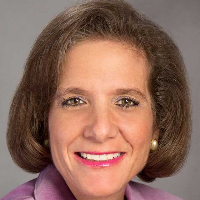
Florida LMHC with 20 years of clinical experience, Susan Resnik helps people facing stress, anxiety, depression, grief, parenting concerns, and relationship difficulties. She is experienced with issues such as codependency, commitment concerns, communication problems, and guilt and shame. Susan also focuses on life purpose, self-love, women's issues, and challenges common to young adults.
Susan uses several therapeutic approaches to guide practical change. She draws on Acceptance and Commitment Therapy (ACT) and Cognitive Behavioral Therapy (CBT) to clarify values and adjust unhelpful thinking. Emotionally-Focused Therapy (EFT) and Dialectical Behavior Therapy (DBT) inform work on emotional regulation and relationship patterns.
In sessions she listens for patterns that keep people stuck. She then helps identify small, concrete steps to reduce distress and improve interactions with others. Conversations often include skill practice, behavior experiments, and values-based planning.
Susan pays attention to how past wounds show up in current relationships. She helps people name painful feelings such as shame and guilt, and learn ways to respond differently. The focus is on learning tools that can be used between sessions.
Practical matters are discussed up front. Susan will review goals, session structure, and ways to track progress. For someone looking for clear, skills-oriented support with emotional and relationship problems, her approach combines evidence-based techniques with attentive listening.
Sheet 2
Approaches used and what online sessions involve
Acceptance and Commitment Therapy (ACT) helps clarify what matters most and encourages small actions that align with those values. It is useful for people wrestling with anxiety, low mood, or uncertainty about life direction.Cognitive Behavioral Therapy (CBT) focuses on identifying unhelpful thoughts and testing different behaviors. It often helps reduce anxiety and depressive symptoms by changing thinking patterns and practicing new responses.
Emotionally-Focused Therapy (EFT) concentrates on emotions and interaction patterns in close relationships. It can be helpful for people who want to improve communication and repair connection with important others.
Susan treats choosing an approach as a collaborative process. She will review your concerns, explain relevant methods, and suggest steps to try. Together you decide which techniques fit your goals and preferences, and adjust as you go.
Confirm current session options before booking. The practical benefits of online work include fitting sessions into busy days, shorter check-ins when needed, and avoiding travel time. Many people find it easier to try a session from wherever they are and then plan follow-ups that suit their schedule.
Sheet 3
Areas of expertise
Primary focus
Additional focus areas
Therapeutic approaches
Experience
20+ years
Listed in
Florida
Languages
English
Sheet 4
Frequently asked questions
What concerns does she help with?
Susan supports people dealing with stress, anxiety, depression, grief, parenting concerns, and relationship difficulties. She also focuses on codependency, commitment issues, communication problems, forgiveness, guilt and shame, life purpose, self-love, women's issues, and young adult issues.
What is her therapeutic style?
Her style combines skill teaching and active listening. She uses practical steps, values work, and emotion-focused techniques to help people change patterns.
How much experience does she have?
She has 20 years of clinical experience working with individuals on emotional and relationship concerns.
What are her credentials and where is she based?
She is a Florida Licensed Mental Health Counselor (LMHC) practicing in Florida.
Which languages are supported?
Sessions are offered in English.
Will she see international clients?
International clients are not currently accepted.
How are sessions scheduled and paid for?
Cost varies with location and sessions are billed through a subscription that can be canceled at any time.
How do I begin working with her?
Start by selecting the See online therapy options button, completing a short matching questionnaire, and scheduling a first session.
Online talk therapy is not emergency care. If you are in danger, use the urgent help numbers.