Sheet 1
- CBT methods
- Motivational Interviewing
- Geriatric focus
About Sherry
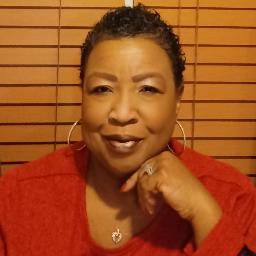
LCSW in North Carolina with 32 years of experience. Sherry Jones-Williamson helps people manage anger, depression, anxiety, stress, grief, bipolar disorder, self-esteem struggles, and life transitions. She also focuses on aging and geriatric issues, caregiver stress, midlife challenges, and women's issues.
Sherry trained at East Carolina University and spent most of her career in inpatient psychiatric settings. Much of that work involved older adults and geriatric care. She has also worked with people who have schizophrenia and with those needing anger management support.
Her practice uses a person-centered approach. That means she starts from each person’s concerns and goals, and adjusts the work from there. Cognitive Behavioral Therapy is a frequent part of her work. With CBT she helps people notice patterns of thinking and practice different strategies to manage symptoms.
She also uses Motivational Interviewing to help people resolve ambivalence about change. That approach focuses on conversations that clarify what a person wants and what might get in the way. Solution-Focused Therapy and client-centered techniques guide shorter-term goal work and practical next steps.
Sessions emphasize developing life skills and improving day-to-day functioning. Sherry aims to build rapport quickly so clients can begin working toward clear goals. People who want straightforward, practical approaches to common mental health concerns often choose her.
Sheet 2
How her approaches work in remote sessions
Sherry commonly uses Cognitive Behavioral Therapy and Motivational Interviewing in her work. CBT helps people identify unhelpful thoughts and practice different coping strategies to reduce symptoms like anxiety or depression. Motivational Interviewing involves guided conversation to resolve ambivalence and clarify goals, which can help with behavior change and commitment to new routines.Finding the right approach is part of the process. She works collaboratively with each person to determine which methods fit best based on their goals, history, and preferences. That decision can shift as work progresses and new priorities emerge.
Confirm current session options before booking, as formats are not listed in the biography. Online sessions can make it easier to fit therapy into a busy life, for example by reducing travel time, allowing shorter check-ins when needed, or avoiding camera use when that helps someone engage. Licensed professionals commonly use these practical advantages to keep sessions focused on skill building, problem solving, and day-to-day coping strategies.
Sheet 3
Areas of expertise
Primary focus
Also works with
Additional focus areas
Therapeutic approaches
Experience
32+ years
Listed in
North Carolina
Languages
English
Sheet 4
Frequently asked questions
What concerns does she address?
She works with anger, depression, anxiety, stress, grief, bipolar issues, self-esteem problems, and life transitions. Additional focus areas include aging and geriatric issues, caregiver stress, midlife concerns, and women's issues.
How would you describe her therapeutic style?
She uses a person-centered approach that begins with the client's goals. Work is practical and often focuses on skill building and clear next steps.
How much clinical experience does she have?
She has 32 years of clinical experience, with extensive work in inpatient psychiatric settings and significant experience with geriatric clients.
What are her credentials and where is she based?
She is an LCSW (Licensed Clinical Social Worker) licensed in North Carolina and practices from that state.
Which languages are supported in sessions?
Sessions are offered in English.
Does she work with international clients?
She does not accept international clients at this time.
How are sessions priced?
Cost varies with location and sessions use a subscription model that can be canceled at any time.
How do I begin working with her?
Select the See online therapy options button, complete a short matching questionnaire, and schedule a first session.
Online talk therapy is not emergency care. If you are in danger, use the urgent help numbers.