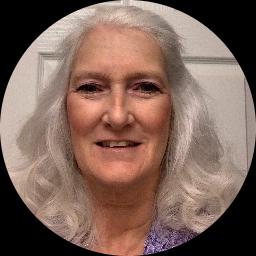
Sheet 1
- Addictions support
- Trauma and abuse
- Parenting concerns
About Shelia
Licensed Professional Counselor (LPC) in Georgia with 20 years of experience, Shelia Storey helps people facing addictions, trauma and abuse, parenting concerns, and self-esteem struggles. She speaks English and works from a perspective that centers the person's own experience and strengths.
Shelia believes the client is the expert in their own story. She focuses on practical steps and clear goals. Sessions tend to focus on building motivation, improving coping skills, and addressing patterns that keep problems active.
Her approach draws on several evidence-based methods. She uses client-centered techniques to follow what matters most to the person. Cognitive Behavioral Therapy (CBT) is used to identify unhelpful thoughts and change behavior. Dialectical Behavior Therapy (DBT) skills are used to manage strong emotions and improve interpersonal effectiveness.
Motivational Interviewing is part of the work when people struggle with substance use or readiness for change. Solution-Focused Therapy helps set short-term goals and notice progress. Together these methods guide practical steps people can try between sessions.
Shelia frames therapy as a collaborative effort. She will listen for strengths, help set achievable goals, and offer tools to practice outside sessions. To start, a prospective client completes a short matching questionnaire and then schedules a first session.
Sheet 2
How therapeutic approaches are used in online sessions
Client-Centered Therapy focuses on listening and reflecting what matters most to the person. Online sessions using this approach let the therapist follow the client's lead and prioritize topics the client brings up. Cognitive Behavioral Therapy (CBT) helps identify unhelpful thoughts and test new behaviors. In web or video sessions CBT can include homework, thought records, and step-by-step skill practice to reduce symptoms and change patterns.Finding the right approach is part of the work. The therapist will discuss goals, preferences, and what has or hasn’t worked before, and then suggest which methods to try. This is a collaborative decision and may change as progress is made.
Session formats are not listed here, so confirm current options before booking. In general, online sessions can make it easier to fit therapy into a busy life by reducing travel and allowing shorter check-ins when needed. They also allow using worksheets, screen-shared tools, and structured skill practice during the session to support work between meetings.
Sheet 3
Areas of expertise
Primary focus
Additional focus areas
Therapeutic approaches
Experience
20+ years
Listed in
Georgia
Languages
English
Sheet 4
Frequently asked questions
What concerns does she commonly address?
She focuses on addictions, trauma and abuse, parenting concerns, and self-esteem. Additional focus areas include caregiver stress, drug and alcohol addiction, and money and financial issues.
What therapeutic approaches are used in sessions?
Sessions use client-centered methods, Cognitive Behavioral Therapy (CBT), Dialectical Behavior Therapy (DBT), Motivational Interviewing, and Solution-Focused Therapy. The mix depends on the person's needs and goals.
How much experience does the therapist have?
Twenty years of professional work experience are noted. That experience informs how tools and skills are offered in sessions.
What are the therapist's credentials and location?
She is a Licensed Professional Counselor (LPC) licensed in Georgia. Sessions are provided from that state.
Which languages are supported?
Sessions are offered in English.
Does she work with international clients?
International clients are not currently accepted.
What session formats are available?
Current session formats are not specified here. Please confirm the available session options before booking.
How are costs and subscriptions handled?
Cost varies with location and sessions use a subscription that can be canceled at any time. Check the specific subscription terms for pricing details.
Online talk therapy is not emergency care. If you are in danger, use the urgent help numbers.