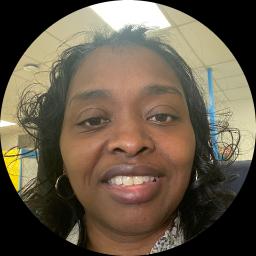
Sheet 1
- Client-Centered Therapy
- CBT methods
- DBT skills
About Shaterrika
Licensed Professional Counselor (LPC) in Louisiana with 16 years of experience, Shaterrika Williams focuses on relationship and family concerns, self-esteem, coping with life changes, and ADHD. She works directly with individual adults to talk through problems and build practical coping skills. Sessions emphasize the client's perspective and strengths.
Shaterrika uses client-centered methods to listen and reflect what matters most to each person. She also applies cognitive behavioral techniques to identify unhelpful thinking and try different actions. Dialectical behavior ideas are used when emotion regulation and distress tolerance skills are useful.
In a session she helps people name the problem, set small goals, and practice new strategies between meetings. She keeps language straightforward and focuses on skills that can be used in daily life. Progress is measured by the changes the person notices at home, work, or in relationships.
Her background includes work with concerns related to chronic pain, illness, and disability. She also addresses codependency, fertility and pregnancy issues, veteran and armed forces matters, multicultural concerns, and self-harm as areas of focus.
Shaterrika aims to match methods to each person's needs rather than use the same plan for everyone. People who prefer a collaborative, skills-focused style are likely to feel at ease working with her.
Sheet 2
How her approaches translate to online work
Client-centered therapy focuses on listening, reflecting, and helping the person lead the conversation. It’s about understanding what matters most to the client and using that as the basis for change. Cognitive Behavioral Therapy (CBT) looks at the links between thoughts, feelings, and actions. It involves identifying unhelpful thinking patterns and trying practical exercises to test new behaviors and reduce distress. Dialectical Behavior Therapy (DBT) contributes skills for managing intense emotions and tolerating distress. Typical DBT work here emphasizes short, teachable tools for emotion regulation and interpersonal effectiveness. Finding the right mix of approaches is part of the work. She will collaborate with each person to decide which methods fit their goals, needs, and preferences. That means checking how an idea feels in practice and adapting the plan as progress is made. Confirm the actual session formats available before booking, as options are not specified here. Online work can make it easier to fit sessions into a busy week, handle brief check-ins, or avoid travel. It can also allow sessions that focus on practicing skills between meetings so people can use them in everyday life.Sheet 3
Areas of expertise
Primary focus
Additional focus areas
Therapeutic approaches
Experience
16+ years
Listed in
Louisiana
Languages
English
Sheet 4
Frequently asked questions
What issues does she commonly address?
She focuses on relationship and family concerns, self-esteem, coping with life changes, and ADHD. Additional focus areas include chronic pain and illness, codependency, fertility and pregnancy matters, veteran and armed forces issues, multicultural concerns, and self-harm.
What is her therapeutic style?
She uses a client-centered approach that emphasizes the person's experience. She also incorporates cognitive behavioral work and dialectical behavior techniques when those methods fit the goals.
How much experience does she have?
She has 16 years of professional experience working with adults on the concerns listed above.
What credentials and location apply?
She is a Licensed Professional Counselor (LPC) practicing in Louisiana.
Which languages are supported?
Sessions are offered in English.
Can international clients work with her?
She does not accept international clients at this time.
How are sessions priced?
Cost varies with location and sessions use a subscription that can be canceled at any time.
What are the steps to begin?
Use the See online therapy options button, complete a short matching questionnaire, and schedule a first session.
Online talk therapy is not emergency care. If you are in danger, use the urgent help numbers.